
Optimization of Wind Turbine Performance through Advanced Materials and Design
Abstract
Improving wind turbine blade design and overall performance is essential; as a result, this study offers a thorough analysis of recent developments in advanced materials and aerodynamic optimization techniques. The escalating global demand for sustainable power necessitates maximizing the efficiency and sustainability of wind energy. Despite progress, challenges remain in optimizing energy capture, ensuring the structural integrity of increasingly larger turbines, and addressing environmental concerns. This review critically examines the potential of high-performance composites (such as CFRPs and bio-based alternatives), smart materials (including SMAs and self-healing polymers), and nanomaterials (for surface coatings) to improve blade performance, durability, and sustainability. Furthermore, it analyses the impact of innovative aerodynamic profiles (including bio-inspired designs), variable pitch and twist technologies, and load reduction strategies on energy efficiency. The study identifies key challenges and research gaps in the integrated application of advanced materials and aerodynamic design for next-generation wind turbines, emphasizing the need for cost-effective and scalable solutions alongside comprehensive Life Cycle Assessments (LCAs). By synthesizing current knowledge, this review highlights promising future research directions to achieve more efficient, sustainable, and economically viable wind energy solutions through the synergistic advancement of materials and design.
Keywords:Advanced materialsAerodynamic optimisationWind turbine blades
1. Introduction
As a result of growing environmental concerns, the depletion of fossil fuel supplies, and the increasing need for sustainable electricity worldwide, wind energy has become an essential and quickly expanding renewable energy source [1]–[3].
Between 2000 and 2016, wind power experienced particularly rapid expansion, and it is now widely recognized as a cornerstone of the renewable energy sector, demonstrating a remarkable ascent in both significance and installed capacity [1]. This growth reflects a global commitment to climate change mitigation, energy security, economic development, and environmental preservation [1], [4].
Projections show that “wind energy is expected to play a key role in both short- and long-term electricity markets”[5]. The broad adoption of wind power is a “catalyst for job creation, technological innovation, and enhanced energy autonomy, contributing to a more sustainable and resilient energy future" [6]. Additionally, wind energy projects, such as infrastructure development, can directly benefit communities.
Despite the significant progress, current wind turbine performance faces several challenges. A primary concern is maximizing the energy harnessed efficiently and cost-effectively, especially in diverse and sometimes suboptimal wind conditions. The intermittent nature of wind presents a challenge for power systems, potentially leading to issues with power quality and increased operational costs for the grid [7]. Moreover, as wind turbines grow in size to “reduce the Cost of Energy (COE), issues such as structural performance, durability requirements, safety hazards, transportation complications, noise, and aesthetic pollution become more challenging for designers” [8].
The need for larger, more durable blades capable of withstanding harsh environmental conditions, especially in offshore environments, poses unique design and material challenges [1]). Optimizing start-up performance in low-wind conditions and reducing production costs remain critical areas for improvement. Furthermore, "recyclability of blade materials and the effect of designs on wildlife are environmental and sustainability considerations that are becoming increasingly central to research discussions" [1]. Materials and design are paramount in addressing these challenges and optimizing wind turbine performance [9]. Wind turbine blades, as the primary medium for harnessing wind energy, significantly influence turbine performance through their design, including consideration of shape, size, and material composition. Effective blade designs strive to maximize aerodynamic efficiency to convert wind energy into electrical power [1]. Advancements in aerodynamics, innovative materials, and computational simulations have significantly enhanced blade performance [1].
The transition from traditional materials like wood and steel to advanced composite materials, offering superior strength-to-weight ratios, has been a key development [10]. Ongoing research focuses on integrating high-performance composites, such as novel carbon fiber composites for lighter and stronger blades and bio-based composites for enhanced sustainability [3]. Furthermore, the exploration of smart materials like Shape-Memory Alloys (SMAs) for dynamic blade optimization and self-healing materials for reduced maintenance costs, along with nanomaterials for surface coatings to reduce drag, wear, ice accretion, and fouling, underscores the critical interplay between materials science and design innovation in achieving optimal performance [9], [11].
Despite the extensive research in wind energy, a gap exists in providing a comprehensive and integrated analysis of the latest advancements in advanced materials and aerodynamic design optimization and their combined impact on overall wind turbine performance and sustainability. While numerous studies focus on specific aspects, such as novel composite materials or particular aerodynamic profiles, a systematic review that synthesizes these advancements highlights their synergistic potential and identifies critical areas for future interdisciplinary research [1]. Furthermore, translating these material and design innovations into cost-effective and scalable solutions [12], particularly for the next generation of larger onshore and offshore wind turbines, requires further investigation. Understanding the lifecycle impacts of new materials, from manufacturing to disposal, also represents a crucial area requiring more comprehensive analysis [2].
Therefore, the objectives of this study are to provide a systematic review of recent advancements in both advanced materials and aerodynamic optimization techniques relevant to wind turbine blade design, critically examine the potential of high-performance composites, smart materials, nanomaterials, and bio-based alternatives to enhance blade performance, durability, and sustainability; analyze the impact of innovative aerodynamic profiles, variable pitch, and twist technologies, and other design innovations on energy efficiency; identify the key challenges and research gaps in the integration of advanced materials and aerodynamic design for next-generation wind turbines; and highlight promising future research directions that address scalability, cost-effectiveness, environmental impact, and long-term performance to facilitate technological advancements in wind energy solutions. By tackling these goals, this study hopes to add to the body of knowledge by offering a comprehensive viewpoint on the vital role that materials and design play in developing wind energy technology toward a more effective, sustainable, and profitable future.
2. Theoretical Framework
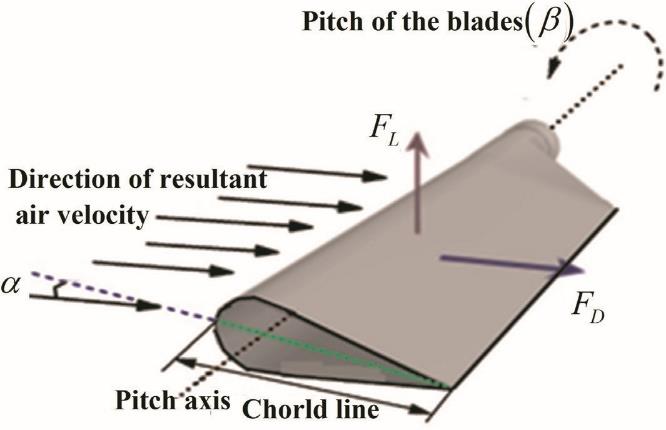
The fundamental principles governing wind turbine performance are rooted in the conversion of kinetic energy from the wind into mechanical energy via the rotor blades and subsequently into electrical energy through a generator. The Betz limit, a crucial theoretical concept, dictates that a wind turbine can capture 59.3% of the wind's kinetic energy [13]. This limit is an inherent constraint on the efficiency of any wind turbine, regardless of material or design [13]. The power extracted by a wind turbine is fundamentally proportional to the cube of the wind speed, the swept area of the rotor blades, and the air density, further highlighting the critical role of blade design and operational environment [14]. The aerodynamic forces acting on the blades, primarily lift and drag, are essential for converting wind energy into rotational torque [15]. Optimizing the shape and orientation of the blades to maximize lift and minimize drag is a central tenet of wind turbine design [16]. The primary aerodynamic forces operating on the blade structures are drag and lift forces, which are shown in Fig. 1 as parallel and perpendicular to the direction of the incoming flow, respectively. The lift ðFLÞand the drag, and the lift ðFDÞ forces acting on each blade section basedð Þcland drag ðcdÞcoefficients are on the local resultant air velocity vð Þ given by equations below:
FL ¼ clðα, ReÞρbcv2,
FD ¼ cdðα, ReÞρbcv2,
where α, Re, b, and c are the local angle of attack, Reynolds number, Blade element length, and chord, respectively. The lift and drag coefficients are a function of the local angle of attack and the Reynolds number. The angle of attack is a function of the free.
However, achieving optimal energy capture is subject to various efficiency limitations imposed by material and design constraints. Traditional materials like steel and aluminum, while providing structural integrity, often add significant weight, leading to increased loads and potentially limiting the size and flexibility of blades [2]. The transition to composite materials, such as Glass Fiber-Reinforced Polymers (GFRPs) and Carbon Fiber-Reinforced Polymers (CFRPs), has been driven by their superior strength-to-weight ratios [3], enabling the development of longer, more flexible blades that can capture more wind energy [10].
Nevertheless, these materials also present challenges related to durability under extreme conditions, fatigue resistance, and end-of-life recyclability [1], [17]. Design choices, such as fixed blade geometry, can lead to suboptimal performance across a wide range of wind speeds. The aerodynamic profiles (aerofoils) selected for the blades directly influence lift and drag characteristics, and a single aerofoil may not be efficient across the entire blade span or under varying wind conditions [16]. Furthermore, structural constraints, such as allowable stress and deflection limits, can restrict the extent to which blade length and slenderness can be increased for enhanced energy capture.
To quantify these aspects, mathematical formulations are essential. The power available in the wind ($P_{wind}$) passing through the rotor swept area ($A$) is given by:
Pwind = ρA ,
where, $\rho$ = air density.
$A$ = swept area of the rotor.
$v$ = wind speed.
The power extracted by the turbine ($P_{turbine}$) can be expressed as:
where $C_p$ is the power coefficient, a dimensionless parameter representing the turbine's efficiency in converting wind power into mechanical power. This coefficient is inherently limited by the Betz limit:
Cp ≤ 0.593.
The aerodynamic efficiency ($\eta_{aero}$) is defined as the ratio of the power extracted by the turbine to the power available in the wind:
Pturbine
ŋaero = .
Pwind
ŋaero = Cp.
Structural design constraints
The structural design must ensure that the stresses experienced by the blade under extreme loading conditions remain below the allowable limits:
σ ≤ σallowable
SF,
where $\sigma$ = operational stress.
$\sigma_{allowable}$ = material's ultimate tensile strength or yield strength.
$SF$ = safety factor.
For fatigue life assessment, the relationship between stress amplitude ($S$) and number of cycles to failure ($N$) is typically expressed using the following power law relationship:
N. S = C,
where $N$ = number of cycles to failure.
$S$ = stress amplitude.
$m$ and $C$ = material-dependent constants.
The Palmgren-Miner cumulative damage rule for multiple stress levels is given by:
∑ = D, i=1 Ni
where $n_i$ = number of cycles at stress level $i$.
$N_i$ = number of cycles to failure at stress level $i$.
$D$ = damage index (failure occurs when $D \geq 1$).
Performance is also influenced by the fiber volume fraction, fiber orientation, and matrix material properties for composite materials [18]. The selection of advanced materials aims to enhance these properties to improve aerodynamic designs without significantly compromising structural integrity or increasing weight. Furthermore, metrics related to environmental impact, such as embodied energy, recyclability index, and carbon footprint, are increasingly important in evaluating material performance from a sustainability perspective [1].
The overall problem formulation, therefore, involves a multi-objective optimization challenge. The goal is to maximize energy capture (high aerodynamic efficiency) while ensuring mechanical reliability (high fatigue life, low probability of failure) and utilizing materials with superior performance and minimal environmental impact, subject to various design and operational constraints [8], [19].
3. Advanced Materials for Wind Turbines
The quest for enhanced wind turbine performance and sustainability has driven significant research and development in advanced materials. The transition from traditional materials like wood and steel to sophisticated composites marks a pivotal advancement in wind energy technology [10], [20]. Modern and emerging wind turbine blades predominantly utilize composite materials offering superior strength-to-weight ratios, which is crucial for developing larger, more efficient blades [21]. Furthermore, these materials contribute to the durability and longevity of wind turbines, reducing maintenance costs and extending their lifespan [22]. Table 1 shows the key future trends and emerging technologies. Each entry would outline a distinct field of invention, including details about its traits and possible breakthroughs. This table would be a useful tool, summarizing state-of-the-art blade design and laying the groundwork for potential developments in wind energy.
Table 1. Emerging trends and innovations in wind turbine blade technology [3].
This table is shown in the PDF version of the article.
Advanced Materials for Exploration of nanocomposites Promises improved strength, durability, Blade Construction and bio-based polymers for and environmental sustainability.
blades. Nanocomposites offer precise control over blade properties.
Adaptive and Smart Blade Development of blades that Optimizes performance, reduces stress Designs dynamically alter shape or loads, and incorporates smart materials stiffness. and MEMS for real-time adjustments.
AI and Machine Learning Integration of AI and machine Enhances precision in design, shortens in Aerodynamic Modeling learning for blade design design cycles, and significantly improves optimization. aerodynamic optimization.
Impact of Climate Change Designing blades for resilience Focuses on developing blades that on Blade Design against extreme weather and a maintain optimal performance despite broader range of wind changing climate conditions.
conditions.
Integration of Wind Turbines Combining wind turbines with other This leads to consistent, balanced with Renewable Energy renewable sources, such as solar Systems panels, for hybrid energy systems.
Advanced Control Systems for Implementing intelligent control Enhanced Performance systems to optimize turbine performance.
Predictive Maintenance Utilizing data analytics and machine Strategies learning for predictive maintenance.
GFRPs, which have contributed to increased energy capture [27].
functionality.
development[1].
energy output and reduces dependency on a single renewable source.
Allows turbines to adapt to varying wind conditions, increasing energy output and extending operational lifespan.
Reduces turbine downtimes and maintenance costs and enhances operational efficiency and component lifespan.
4. High-Performance Composites and Polymers
The increasing size of modern turbines necessitates materials capable of withstanding more significant mechanical stress while minimizing weight [2]. CFRPs are being extensively explored for their exceptionally high strength-to-weight ratio, allowing for the construction of longer and lighter blades that can capture more wind energy [2], [21], [23]. Studies indicate that using CFRPs can enhance turbine blade fatigue resistance, leading to longer operational lifetimes [24]. The inherent strength of composite materials, particularly CFRP, facilitates the creation of longer blades, increasing the swept area and enabling higher power outputs [25]. The tailored flexibility of composites allows blades to adapt to varying wind conditions, contributing to structural integrity under dynamic loads [25]. Furthermore, the use of advanced composite materials permits more complex blade geometries, enhancing aerodynamic efficiency [26]. For instance, the Alta Wind Energy Centre in California utilizes longer blades made of advanced composite materials, including CFRP and
In addition to performance, environmental considerations are increasingly important in material selection [10]. Research actively explores bio-based composites as a sustainable alternative to traditional materials [28], [29]. These materials, often incorporating natural bio-degradable fibers and resin [30], aim to reduce the environmental impact of wind turbine production and disposal [31]. Hybrid composites that integrate traditional fibers with natural fibers can yield lightweight, strong, and environmentally friendly materials, potentially improving biodegradability while maintaining structural integrity [2], [32]. Future research should concentrate on creating bio-based composites with a low environmental effect without sacrificing
5. Smart Materials and Adaptive Structures
The concept of smart materials capable of adjusting to changing wind conditions to optimize performance is gaining traction [1]. SMAs, which can change their shape in response to temperature or stress, hold the potential for dynamic blade optimization [11]. These materials could be integrated into blade structures to allow for adaptive pitch and twist, enabling blades to respond to varying wind speeds and directions in real time, thereby maximizing energy capture and reducing mechanical stress [1], [11]. While current sources do not provide extensive details on the practical implementation of SMAs in wind turbine blades, the potential for enhanced efficiency and lifespan through such adaptive structures is a subject of ongoing research and
Maintenance of wind turbine blades, particularly those in harsh environments, can be costly and time-consuming [22]. Self-healing materials, capable of automatically repairing damage, offer a promising avenue for reducing these maintenance costs and enhancing the durability of blades [11]. Integrating self-healing polymers or composites into blade construction could mend cracks or minor damage autonomously, extending the operational life of the blades and decreasing downtime [11]. Research in this area is focused on developing materials with effective self-healing mechanisms that can withstand the demanding conditions of wind turbine operation.
6. Nanomaterials for Surface Coatings
The surface properties of wind turbine blades significantly influence their aerodynamic performance and resistance to environmental degradation [1]. Nano-coatings, applied to blade surfaces, can be engineered to reduce drag and wear [11]. By creating smoother surfaces at the nanoscale, these coatings can minimize turbulent flow, leading to improved aerodynamic efficiency and increased power generation [1], [3], [11]. Furthermore, nano-coatings can enhance the wear resistance of blades, protecting them from abrasion caused by dust, rain, and other environmental factors, thus extending their lifespan [11].
Wind turbines operating in cold climates face the challenge of ice accretion on their blades, which can significantly reduce aerodynamic efficiency and pose safety risks [1]. Similarly, marine organisms are susceptible to fouling offshore wind turbines, impacting their performance and structural integrity [1]. Nano-engineered coatings offer potential solutions to these issues. Ice-resistant coatings can minimize ice build-up by reducing adhesion, while anti-fouling coatings can prevent the attachment of marine organisms [11]. Developing durable and effective nano-coatings with these properties is crucial for improving the reliability and performance of wind turbines in challenging environments[1].
7. Aerodynamic and Structural Design Innovations
Pursuing enhanced wind turbine performance has spurred significant innovation in aerodynamic and structural design [1]. These advancements aim to maximize energy capture, reduce loads, improve reliability, and facilitate the development of larger and more sustainable turbines.
8. Blade Morphology Optimization
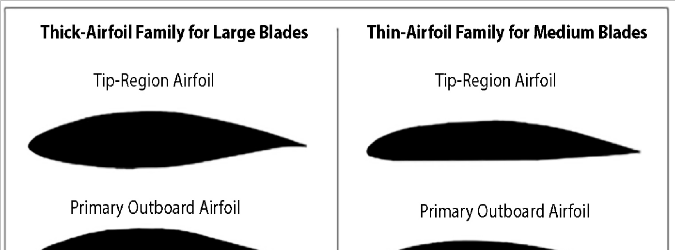
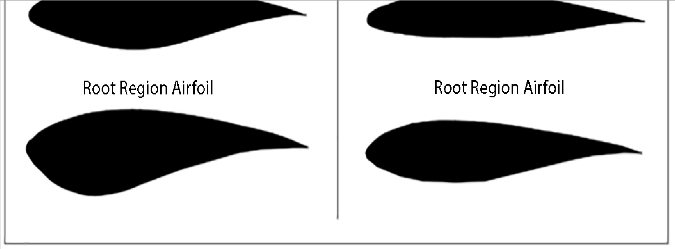
Bio-inspired blade geometries represent a fascinating avenue for aerodynamic enhancement. Nature offers numerous examples of efficient fluid dynamics, and researchers are increasingly exploring the potential of incorporating these principles into wind turbine blade design [33]. For instance, the tubercles found on the leading edges of humpback whale flippers have been shown to improve lift and delay stall in hydrodynamic applications [33]. Adapting such features to wind turbine blades could improve performance, particularly at higher angles of attack and under turbulent wind conditions [33]. Similarly, the aerodynamics of bird wings, with their complex shapes and ability to adapt during flight, inspire the development of more efficient and responsive blade designs.
Computational Fluid Dynamics (CFD) modeling has become an indispensable tool in designing and optimizing wind turbine blade shapes [34]. CFD allows engineers to simulate the complex airflow around blade geometries, providing detailed insights into pressure distributions, flow separation, and vortex formation [35]. By iteratively modifying blade shapes and analyzing the resulting aerodynamic performance through CFD, optimized profiles can be developed to maximize lift and minimize drag for specific operating conditions [34]. This includes optimizing airfoil selection along the blade span, as different aerofoils may be more efficient at various radial positions due to varying Reynolds numbers and flow conditions [16]. Genetic algorithms and other optimization techniques are often coupled with CFD to explore a wide design space and identify non-intuitive but highly effective blade geometries [36].
9. Load Reduction Strategies and Smart Control
Managing the significant loads experienced by wind turbine blades is critical for their structural integrity and longevity. Distributed flow control devices, such as vortex generators and micro-tabs, can be strategically placed on the blade surface to modify the boundary layer and delay flow separation, thereby reducing drag and mitigating the impact of stall. Trailing-edge flaps, similar to those used in aircraft wings, offer the potential for active control of lift and drag. Adjusting the flap position in response to changing wind conditions makes reducing fluctuating loads and optimizing power capture possible.
Artificial Intelligence (AI) integration is revolutionizing wind turbine control systems [37]. AI-based active pitch and yaw control systems can analyze real-time data from various sensors to proactively adjust blade pitch angles and nacelle yaw orientation [38]. This allows for optimized power extraction across a wider range of wind speeds and can also play a crucial role in reducing extreme loads during gusts or turbulent conditions [38]. Furthermore, AI algorithms can be used for predictive maintenance, identifying potential structural issues or performance degradation before they lead to costly failures [39].
10. Modular and Scalable Designs for Large Turbines
As the quest for greater energy capture drives the development of increasingly larger wind turbines, logistical challenges related to the manufacturing, transportation, and assembly of massive blades become significant hurdles. Segmental blade designs offer a potential solution by dividing the blade into smaller, more manageable sections that can be transported and assembled on-site. This approach necessitates robust joining techniques that can maintain the complete blade's structural integrity and aerodynamic performance.
The use of hybrid materials is also crucial for enabling the construction of these larger, more demanding structures [32]. Combining composite materials with complementary properties, such as high-stiffness carbon fibers in critical load-bearing areas and more cost-effective glass fibers elsewhere, achieves optimal structural reinforcement while managing weight and cost [32]. Integrating advanced adhesives and joining technologies is also essential for ensuring the long-term performance and reliability of hybrid material structures in large wind turbine blades.
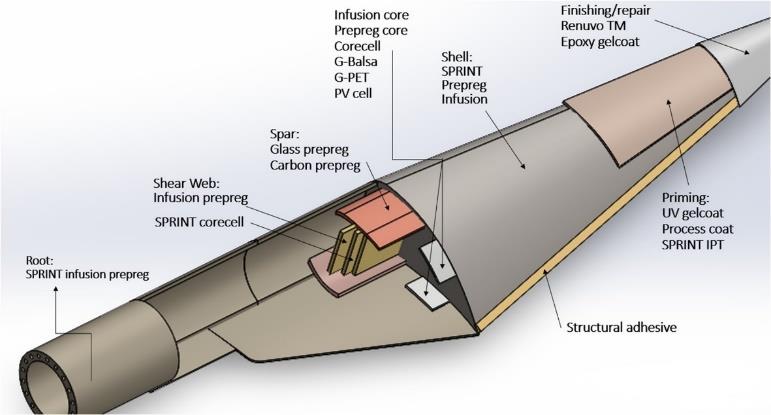
Additionally, the layers of sophisticated composite materials used to manufacture a wind turbine blade are depicted in Fig. 3. The spar, which is made of glass and carbon prepreg and serves as the main structural support, is an essential component of the design. Balsa and PET foam are core materials around the spar and other prepregs for the shell and web structures. Specialized epoxy and UV-protective gel coatings are applied to the surface to protect against external influences. The strength-to-weight ratio of the blade is optimized by this multi-material method, guaranteeing long service life and effective energy harvesting.
Material Performance Index (MPI) = (Strength × Flexibility)/(Density × Cost Factor),
where, strength refers to the material's ability to withstand mechanical loads and stresses without failure. Flexibility represents the material's ability to flex or bend under load, which is crucial for blade durability. Density is the material's mass per unit volume, with lower density being preferable for lighter blades.
The cost factor is a numerical value representing the cost of the material relative to its performance benefits.
11. Experimental Validation and Simulation Models
The optimization of wind turbine performance through advanced materials and design necessitates rigorous experimental validation and the use of sophisticated simulation models [1]. These processes are crucial for verifying the predicted improvements in efficiency, durability, and overall performance and for understanding the behavior of new materials and designs under real-world operating conditions.
12. Material Characterisation and Mechanical Testing
The successful integration of advanced materials into wind turbine blades hinges on a thorough understanding of their mechanical properties. Material characterization involves a range of tests to determine key performance indicators such as tensile strength, fatigue resistance, and impact resistance [21]. For instance, studies have examined graphene-reinforced composites' tensile strength and elasticity, highlighting their potential for high-performance wind turbine applications [2].
Similarly, the fatigue performance of various wind turbine blade materials, including composites, has been comparatively studied to ensure long-term reliability [40]. Fatigue testing is particularly important as blades experience cyclic loading over their operational lifetime [41]. Furthermore, impact resistance testing is crucial for assessing the blade's ability to withstand environmental hazards such as hailstones or bird strikes [42]. These experimental evaluations provide essential data for validating material models used in simulations and for informing material selection decisions [43].
13. Wind Tunnel and Computational Simulations
Wind tunnel testing is vital in validating aerodynamic improvements achieved through innovative blade profiles and design features [44]. By creating controlled airflow conditions, researchers can measure aerodynamic forces such as lift and drag on scaled or full-size blade sections or complete rotors [45]. These experimental results are a benchmark for validating CFD models [46]. CFD simulations allow for a detailed analysis of the complex airflow patterns around wind turbine blades, providing insights into pressure distributions, flow separation, and wake characteristics [34]. The accuracy of CFD predictions relies heavily on validation against experimental data, ensuring the reliability of virtual prototyping and optimization efforts. Moreover, CFD can be used to investigate the effectiveness of flow control devices like vortex generators and trailing-edge flaps in modifying the boundary layer and reducing drag.
14. Field Deployment and Performance Metrics
Ultimately, the success of optimized wind turbine designs and advanced materials must be evaluated through real-world testing during field deployment [2], [14]. Performance metrics such as power output, energy efficiency, and structural loads are monitored under various wind conditions, including wind speeds and turbulence intensities [47]. This allows engineers to assess the overall performance and durability of the optimized turbines and identify any discrepancies between simulation predictions and real-world behavior [48]. Long-term field testing is crucial for evaluating the fatigue life and long-term degradation of new materials and structural designs [2]. Data gathered from field deployments provides valuable feedback for further refining design methodologies, material selection criteria, and simulation models, thereby driving continuous improvement in wind turbine technology.
15. Economic and Environmental Impact Analysis
The optimization of wind turbine performance through advanced materials and design is not solely driven by technical advancements but also by critical considerations of economic viability and environmental sustainability [49]. A comprehensive analysis must evaluate the trade-offs between initial costs, long-term benefits, and ecological footprints.
16. Cost-Benefit Analysis of Advanced Materials vs. Traditional Designs
Compared to more conventional materials like steel, aluminum, and wood, the use of innovative materials like CFRPs, GFRPs, and nanomaterials frequently involves more upfront expenditures [2]. However, this initial investment must be weighed against the potential for significant long-term economic benefits [49]. Enhanced blade performance enabled by advanced materials, such as increased strength-to-weight ratios, allows for the design of longer, more flexible blades that can capture more wind energy, leading to higher Annual Energy Production (AEP) [1], [49]. This increased energy yield directly contributes to a lower COE, a key metric for economic feasibility [50]. Advanced materials can also contribute to improved durability and extended lifespan of wind turbine blades[2]. For example, advanced composite materials have demonstrated increased blade lifespan. This reduces the frequency of replacements and associated costs, including material procurement, manufacturing, transportation, and installation [22].
The lighter weight of advanced composite blades can reduce the structural requirements for other turbine components, such as the tower and foundation, potentially lowering overall system costs [2]. Furthermore, reduced weight can ease transportation and installation, offering logistical and cost advantages. While the “initial costs might be higher, the application of modern materials and surface finishing processes can save costs during manufacturing by minimizing the requirement for extra materials, processing stages, and assembly procedures” [51]. Additive “manufacturing methods, for example, may reduce material wastage and lower production expenses”[51].
17. Life Cycle Assessment of New Materials for Sustainability
A crucial aspect of evaluating advanced materials is their Life Cycle Assessment (LCA), which considers the environmental impact of a material from its raw material extraction through production, use, and end-of-life disposal or recycling [2].
Traditional composite materials like fiberglass, while offering good performance, pose challenges regarding recyclability [52]. Research increasingly focuses on developing eco-friendly materials and designs to minimize environmental impact. Bio-composite materials, “utilizing natural fibers and resins, are being investigated as alternatives to traditional composites due to their potential for biodegradability and lower carbon footprint” [2], [29]. Sustainability may be further improved by investigating the use of waste materials in composite fabrication [2], [29].
The energy-intensive production of some advanced materials, such as carbon fibers, necessitates careful consideration of their overall environmental impact despite their performance advantages. LCAs help to quantify these impacts and guide the selection of more sustainable options[2]. Innovations in thermoplastic composites are promising due to their potential for thermal welding and improved recyclability compared to traditional thermoset composites [51], [53]. Structural reuse of high-end composite products, including wind turbine blades, is also being explored as a sustainable end-of-life strategy [54].
18. Potential Energy Yield Improvement and Economic Feasibility
Integrating advanced materials and aerodynamic design innovations directly impacts wind turbines' energy yield and economic feasibility [49]. Innovative aerodynamic profiles, variable pitch and twist technologies, and other design innovations aim to maximize wind energy extraction efficiency [1], [45]. Optimizing blade shapes for various wind conditions can generate more electricity over their operational lifetime.
Using lighter and stronger advanced materials facilitates the creation of longer rotor blades, which sweep a larger area and capture more kinetic energy from the wind [1], [49]. This directly translates to a higher power output and increased AEP.
Factors like blade weight and load mitigation, aerodynamic optimization, and structural optimization can lead to more efficient and cost-effective designs [50], [55]. Multidisciplinary Design Optimization (MDO) approaches that minimize COE by simultaneously considering aerodynamic, structural, and economic factors are increasingly prevalent [50]. The financial feasibility of wind energy projects is highly sensitive to the COE. Advancements in materials and design that lead to increased energy capture, reduced maintenance, and longer lifespans contribute to a lower COE, making wind energy a more competitive and attractive energy source [49].
In conclusion, a thorough economic and environmental impact analysis is essential for guiding the development and adoption of advanced materials and designs in wind turbine technology. While initial costs may be a barrier for some advanced materials, their potential to enhance performance, durability, and sustainability offers significant long-term economic and environmental benefits. Continued research and innovation focused on cost reduction, recyclability, and lifecycle impacts will be crucial for realizing the full potential of these advancements in facilitating a sustainable energy future.
19. Conclusion
This review highlights the significant role of advanced materials such as epoxy carbon, CFRP, and GFRP in enhancing wind turbine blade performance by improving strength, reducing weight, and enabling longer, more flexible designs [23]. Aerodynamic optimization techniques, leveraging CFD and increasing AI, are crucial for boosting energy efficiency through innovative profiles and design strategies [1], [38]. The development of VAWTs for urban environments also benefits from research into ultra-lightweight materials and advanced manufacturing like 3D Printing [56]. However, challenges persist in areas such as the scalability of advanced designs, material durability under harsh conditions, and the environmental impact of blade lifecycle [1].
Several promising avenues for future research exist. AI-driven optimization can be further explored for predictive design and control, particularly for urban VAWTs [1], [38]. Continued investigation into advanced materials, including nanocomposites [57], bio-based alternatives [28], [58], and hybrid material systems [59], is essential. Innovative manufacturing techniques, such as advanced 3D Printing [56], [60], [61], the potential for creating complex geometries and reducing costs and integrating circular economy principles into blade design and manufacturing, focusing on recyclability and reuse [52], [54], [62], Furthermore, incorporating smart technologies for real-time structural health monitoring, such as embedded sensors [63], warrants further research. Finally, exploring the integration of wind energy with other renewable sources in hybrid systems [64] presents an interesting direction.
Achieving industrial scalability and widespread adoption of these advancements necessitates strong interdisciplinary collaboration among engineers, material scientists, urban planners, policymakers, and social scientists [1]. Addressing the key challenges related to cost-effectiveness, long-term performance, and environmental impact through focused research and development will be critical for realizing the full potential of advanced materials and design in delivering efficient and sustainable wind energy solutions [1].
Author Contributions
AAB: Conceptualization, Writing-original draft, Resources, Writing. AOA: Writing, Proofreading; FNU: Literature review, Resource; IAO: Literature review, Resources, Visualization. The authors read and approved the final manuscript.
Institutional Review Board Statement
Not applicable.
Data availability
The study has no associated data.
Funding
This research received no external funding.
Acknowledgment
The authors appreciate the editor and reviewers for adding valuable input to the manuscript.
Informed Consent Statement
Not applicable.
Availability of data and materials
Not applicable
Conflicts of Interest
The author declares that there is no competing interest.
References
- [1] Firoozi, A. A., Hejazi, F., & Firoozi, A. A. (2024). Advancing wind energy efficiency: A systematic review of aerodynamic optimization in wind turbine blade design. Energies, 17(12), 1–31. https://doi.org/10.3390/en17122919
- [2] Tolasa, D. G., & Furi, A. T. (2025). The role of advanced materials in the optimization of wind energy systems: A physics based approach. Acceleron aerospace journal, 4(1), 847–857. https://doi.org/10.61359/11.2106-2504
- [3] Udorah, F. N., & Adeniran, A. O. (2025). A meta-study on smart coatings with carbon nanoparticles. Journal of environmental engineering and energy, 2(1), 44–63. https://doi.org/10.22105/jeee.v2i1.43
- [4] Familusi, O. B., Omoyeni, O. D., Samchuks, O. M., & Adeniran, A. O. (2024). Effect of renewable energy on co2 emission in Sub Saharan Africa. Systemic analytics, 2(2), 304–314. https://doi.org/10.31181/sa22202431
- [5] Ayoub, M. F. M. (2020). Reliability assessment of wind turbines. In Design optimization of wind energy conversion systems with applications. IntechOpen. https://B2n.ir/tm2441
- [6] Adeniran, A. A., Adeniran, A. O., Familusi, O. B., & Adedayo, O. (2024). The outlook of cyber security in african businesses: Issues and way-out. Management analytics and social insights, 1(2), 260–271. https://doi.org/10.22105/masi.v1i2.54
- [7] Dumitru, C. D., & Gligor, A. (2020). Optimal energy production planning in power systems with wind energy sources. In Design optimization of wind energy conversion systems with applications. IntechOpen. https://B2n.ir/zt5494
- [8] Chehouri, A., Younes, R., Ilinca, A., & Perron, J. (2016). Wind turbine design: Multi‐objective optimization. InTech. http://dx.doi.org/10.5772/63481
- [9] Animasaun, A. B., Adeniran, A. O., & Udorah, F. N. (2025). Mechanical properties of concrete by substituting sawdust with ground glass. Mechanical technology and engineering insights, 2(1), 1–9. https://mtei.reapress.com/journal/article/view/31
- [10] Karthikeyan, N., Anand, R. B., Suthakar, T., & Barhate, S. (2019). Materials, innovations and future research opportunities on wind turbine blades—Insight review. Environmental progress & sustainable energy, 38(3), e13046. https://doi.org/10.1002/ep.13046
- [11] Tong, C. (2018). Advanced materials enable renewable wind energy capture and generation. In Introduction to materials for advanced energy systems (pp. 379–444). Springer. https://doi.org/10.1007/978-3-319-98002-7_6
- [12] Adeniran, A. O., Stephen, F. S., Babawole, F. O., & Victoria, M. O. (2024). Adoption of fourth industrial revolution technologies in the construction sector: Evidence from previous studies. International journal of innovation in engineering, 4(3), 1–18. https://doi.org/10.59615/ijie.4.3.1
- [13] West, J. R., & Lele, S. K. (2020). Wind turbine performance in very large wind farms: Betz analysis revisited. Energies, 13(5), 1–25. https://doi.org/10.3390/en13051078
- [14] Hansen, M. (2015). Aerodynamics of wind turbines. Routledge. https://B2n.ir/kj6152
- [15] Schaffarczyk, A. P. (2024). Introduction to wind turbine aerodynamics. Springer Nature. https://doi.org/10.1007/978-3-642-36409-9
- [16] Timmer, W. A., & Bak, C. (2023). Aerodynamic characteristics of wind turbine blade airfoils. In Advances in wind turbine blade design and materials (second edition) (pp. 129–167). Woodhead Publishing. https://doi.org/10.1016/B978-0-08-103007-3.00011-2
- [17] Nijssen, R. P. L., & Brøndsted, P. (2023). Fatigue as a design driver for composite wind turbine blades. In Advances in wind turbine blade design and materials (second edition) (pp. 217–248). Woodhead Publishing. https://doi.org/10.1016/B978-0-08-103007-3.00006-9
- [18] Reddy, S. S. P., Suresh, R., M.B., H., & Shivakumar, B. P. (2021). Use of composite materials and hybrid composites in wind turbine blades. Materials today: proceedings, 46, 2827–2830. https://doi.org/10.1016/j.matpr.2021.02.745
- [19] Andrew Ning, S., Damiani, R., & Moriarty, P. J. (2014). Objectives and constraints for wind turbine optimization. Journal of solar energy engineering, 136(4), 41010. https://doi.org/10.1115/1.4027693
- [20] Olajiga, O. K., Obiuto, N. C., Adebayo, R. A., & Festus-Ikhuoria, I. C. (2024). Advanced materials for wind energy: Reviewing innovations and challenges in the USA. International journal of advances in engineering and management, 6(3), 454–465. https://b2n.ir/tn6852
- [21] Thomas, L., & Ramachandra, M. (2018). Advanced materials for wind turbine blade- A review. Materials today: proceedings, 5(1-3), 2635–2640. https://doi.org/10.1016/j.matpr.2018.01.043
- [22] Mishnaevsky Jr, L., & Thomsen, K. (2020). Costs of repair of wind turbine blades: Influence of technology aspects. Wind energy, 23(12), 2247–2255. https://doi.org/10.1002/we.2552
- [23] Chehouri, A. (2014). Advances in composite wind turbine blades: A comparative study. Anchor Academic Publishing. https://B2n.ir/yf1380
- [24] Vassilopoulos, A. (2023). Fatigue behavior and life prediction of wind turbine blade composite materials. In Advances in wind turbine blade design and materials (pp. 287–340). Woodhead Publishing Series in Energy. https://doi.org/10.1016/B978-0-08-103007-3.00005-7
- [25] Kasem, M. A. M. (2020). Aerodynamic, structural and aeroelastic design of wind turbine blades. In Design optimization of wind energy conversion systems with applications. IntechOpen. https://b2n.ir/th6173
- [26] Ibrahim, H., Ghandour, M., Dimitrova, M., Ilinca, A., & Perron, J. (2011). Integration of wind energy into electricity systems: technical challenges and actual solutions. Energy procedia, 6, 815–824. https://doi.org/10.1016/j.egypro.2011.05.092
- [27] Ninduwezuor-Ehiobu, N., Tula, O. A., Daraojimba, C., Ofonagoro, K. A., Ogunjobi, O. A., Gidiagba, J. O., … & Banso, A. A. (2023). Exploring innovative material integration in modern manufacturing for advancing us competitiveness in sustainable global economy. Engineering science & technology journal, 4(3), 140–168. https://b2n.ir/wb6435
- [28] Andrew, J. J., & Dhakal, H. N. (2022). Sustainable biobased composites for advanced applications: recent trends and future opportunities–A critical review. Composites part c: open access, 7, 100220. https://doi.org/10.1016/j.jcomc.2021.100220
- [29] Pougnet, H., Lepp, E., Ead, A. S., & Carey, J. (2021). The application of bio-based composites in wind turbine blades. https://doi.org/10.7939/r3-hj6z-4q60
- [30] Megahed, M., Abo-bakr, R. M., & Mohamed, S. A. (2020). Optimization of hybrid natural laminated composite beams for a minimum weight and cost design. Composite structures, 239, 111984. https://doi.org/10.1016/j.compstruct.2020.111984
- [31] Kalkanis, K., Psomopoulos, C. S., Kaminaris, S., Ioannidis, G., & Pachos, P. (2019). Wind turbine blade composite materials-End of life treatment methods. Energy procedia, 157, 1136–1143. https://doi.org/10.1016/j.egypro.2018.11.281
- [32] Girard, H. (2022). Hybrid composites for very large lightweight wind turbine blades: Structural and materials aspects. Advanced composites in aerospace engineering applications (pp. 421–433). http://dx.doi.org/10.1007/978-3-030-88192-4_21
- [33] Omidvarnia, F., & Sarhadi, A. (2024). Nature-inspired designs in wind energy: A review. Biomimetics, 9(2), 1–
- [37] https://doi.org/10.3390/biomimetics9020090
- [34] Shourangiz-Haghighi, A., Haghnegahdar, M. A., Wang, L., Mussetta, M., Kolios, A., & Lander, M. (2020). State of the art in the optimisation of wind turbine performance using CFD. Archives of computational methods in engineering, 27, 413–431. https://doi.org/10.1007/s11831-019-09316-0
- [35] Miller, A., Chang, B., Issa, R., & Chen, G. (2013). Review of computer-aided numerical simulation in wind energy. Renewable and sustainable energy reviews, 25, 122–134. https://doi.org/10.1016/j.rser.2013.03.059
- [36] Kim, Y., Bangga, G., & Delgado, A. (2020). Wind turbine airfoil boundary layer optimization using genetic algorithm with 3D rotational augmentation. In Design optimization of wind energy conversion systems with applications. IntechOpen. https://b2n.ir/kh4281
- [37] Higgins, S., & Stathopoulos, T. (2021). Application of artificial intelligence to urban wind energy. Building and environment, 197, 107848. https://doi.org/10.1016/j.buildenv.2021.107848
- [38] Noman, A. Al, Tasneem, Z., Sahed, M. F., Muyeen, S. M., Das, S. K., & Alam, F. (2022). Towards next generation Savonius wind turbine: Artificial intelligence in blade design trends and framework. Renewable and sustainable energy reviews, 168, 112531. https://doi.org/10.1016/j.rser.2022.112531
- [39] Hsu, J. Y., Wang, Y. F., Lin, K. C., Chen, M. Y., & Hsu, J. H. Y. (2020). Wind turbine fault diagnosis and predictive maintenance through statistical process control and machine learning. IEEE access, 8, 23427–23439. https://ieeexplore.ieee.org/abstract/document/8966331
- [40] Dilanika Kulatunga, S., Jayamani, E., Heng Soon, K., Hari Prashanth, P. V. S., Jeyanthi, S., & Ravi Sankar, R. (2022). Comparative study of static and fatigue performances of wind turbine blade materials. Materials today: Proceedings, 62, 6848–6853. https://doi.org/10.1016/j.matpr.2022.05.052
- [41] Liao, D., Zhu, S. P., Correia, J. A. F. O., De Jesus, A. M. P., Veljkovic, M., & Berto, F. (2022). Fatigue reliability of wind turbines: Historical perspectives, recent developments and future prospects. Renewable energy, 200, 724–
- [742] https://doi.org/10.1016/j.renene.2022.09.093
- [42] Verma, A. S., Vedvik, N. P., Haselbach, P. U., Gao, Z., & Jiang, Z. (2019). Comparison of numerical modelling techniques for impact investigation on a wind turbine blade. Composite structures, 209, 856–878. https://doi.org/10.1016/j.compstruct.2018.11.001
- [43] Ashby, M. F., & Cebon, D. (1993). Materials selection in mechanical design. Le journal de physique IV, 3(7), 1–7. https://doi.org/10.1051/jp4:1993701
- [44] Melanson, M., Chang, M., & Baker II, W. (2010). Wind tunnel testing's future: a vision of the next generation of wind tunnel test requirements and facilities. 48th AIAA aerospace sciences meeting including the new horizons forum and aerospace exposition (p. 142). https://doi.org/10.2514/6.2010-142
- [45] Viba, J., Beresnevich, V., & Irbe, M. (2020). Synthesis and optimization of wind energy conversion devices. Design optimization of wind energy conversion systems with applications, karam maalawi, ed. london: intechopen, 125–
- [141] https://b2n.ir/nq2057
- [46] Sanderse, B., Pijl, S. P., & Koren, B. (2011). Review of computational fluid dynamics for wind turbine wake aerodynamics. Wind energy, 14, 799–819. http://dx.doi.org/10.1002/we.458
- [47] Wagh, R. (2024). Computational fluid dynamics in wind energy: Modeling and optimization for turbine design. Panamerican mathematical journal, 34, 153–170. http://dx.doi.org/10.52783/pmj.v34.i2.933
- [48] Pourrajabian, A., Mirzaei, M., Ebrahimi, R., & Wood, D. (2014). Effect of air density on the performance of a small wind turbine blade: A case study in Iran. Journal of wind engineering and industrial aerodynamics, 126, 1–10. https://doi.org/10.1016/j.jweia.2014.01.001
- [49] Maalawi, K. Y. (2020). Design optimization of wind energy conversion systems with applications. InTechOpen. https://library.oapen.org/handle/20.500.12657/43839
- [50] Sartori, L., Cacciola, S., Croce, A., & Riboldi, C. E. D. (2020). A research framework for the multidisciplinary design and optimization of wind turbines. In Design optimization of wind energy conversion systems with applications. IntechOpen. https://b2n.ir/zd7459
- [51] Jaber, A. A., & Shandookh, A. A. (2024). 3D Printing for wind turbine blade manufacturing: A review of materials, design optimization, and challenges. Engineering and technology journal, 42(7), 895-911. http://dx.doi.org/10.30684/etj.2024.144841.1646
- [52] Jensen, J. P., & Skelton, K. (2018). Wind turbine blade recycling: Experiences, challenges and possibilities in a circular economy. Renewable and sustainable energy reviews, 97, 165–176. https://doi.org/10.1016/j.rser.2018.08.041
- [53] Bortolotti, P., Branlard, E., Gupta, A., Johnson, N., Jonkman, J., Moriarty, P., … & Veers, P. (2024). The wind turbine rotors of the future: A research agenda from the big adaptive rotor project. https://b2n.ir/gh9717
- [54] Joustra, J., Flipsen, B., & Balkenende, R. (2021). Structural reuse of high end composite products: A design case study on wind turbine blades. Resources, conservation and recycling, 167, 105393. https://doi.org/10.1016/j.resconrec.2020.105393
- [55] Chen, K. N., & Chen, P. Y. (2010). Structural optimization of 3 MW wind turbine blades using a two-step procedure. International journal for simulation and multidisciplinary design optimization, 4(3), 159. http://dx.doi.org/10.1051/ijsmdo/2010020
- [56] Fidan, I., Huseynov, O., Ali, M. A., Alkunte, S., Rajeshirke, M., Gupta, A., … & Yilmaz, O. (2023). Recent inventions in additive manufacturing: Holistic review. Inventions, 8(4), 1–45. https://doi.org/10.3390/inventions8040103
- [57] Raina, N., Sharma, P., Slathia, P. S., Bhagat, D., & Pathak, A. K. (2020). Efficiency Enhancement of Renewable Energy Systems Using Nanotechnology. In Nanomaterials and environmental biotechnology (pp. 271–297). Cham: Springer International Publishing. https://doi.org/10.1007/978-3-030-34544-0_15
- [58] Mokhena, T. C., Mtibe, A., Mokhothu, T. H., Mochane, M. J., & John, M. J. (2023). A review on bast-fibre-reinforced hybrid composites and their applications. Polymers, 15(16), 1–28. https://doi.org/10.3390/polym15163414
- [59] Rajak, D. K., Wagh, P. H., & Linul, E. (2021). Manufacturing Technologies of carbon/glass fiber-reinforced polymer composites and their properties: A review. Polymers, 13(21), 1-42. https://doi.org/10.3390/polym13213721
- [60] Singh, U., Lohumi, M., & Kumar, H. (2020). Additive manufacturing in wind energy systems: A review. In Proceedings of international conference in mechanical and energy technology (pp. 757–766). Smart Innovation. http://dx.doi.org/10.1007/978-981-15-2647-3_71
- [61] Ukoba, K., & Jen, T. C. (2023). Thin films, atomic layer deposition, and 3D Printing: Demystifying the concepts and their relevance in industry 4.0. CRC Press. https://doi.org/10.1201/9781003364481
- [62] Zhong, Z. W. (2021). Processes for environmentally friendly and/or cost-effective manufacturing. Materials and manufacturing processes, 36(9), 987–1009. https://doi.org/10.1080/10426914.2021.1885709
- [63] Bhattacharjee, J., & Roy, S. (2024). Smart materials for sustainable energy. Natural resources conservation and research, 7, 5536. http://dx.doi.org/10.24294/nrcr.v7i1.5536
- [64] Sharma, P. K., Kumar, D. A., William, P., Obulesu, D., Pandian, P. M., Khan, T. K. H., & Manikandan, G. (2023). Energy storage system based on hybrid wind and photovoltaic technologies. Measurement: sensors, 30, 100915. https://doi.org/10.1016/j.measen.2023.100915