Exploring the Challenges of Implementing OECD Due Diligence Practices in Supply Chains: Effects on Sustainability in Emerging
Abstract
Adopting the Organization for Economic Cooperation and Development (OECD) due diligence practices in supply chains is crucial for ensuring ethical, transparent, and sustainable business operations, particularly in emerging economies. However, various socio-economic and institutional challenges hinder the effective implementation of these practices. Therefore, this study aims to identify and prioritize the key challenges faced in adopting OECD due diligence within the supply chains of emerging economies. In this study, Multi-Criteria Decision-Making (MCDM) techniques, including the Analytic Hierarchy Process (AHP), the Technique for Order of Preference by Similarity to Ideal Solution (TOPSIS), and the Preference Ranking Organization Method for Enrichment Evaluation (PROMETHEE), were applied. The integrated combinations of AHP-TOPSIS and AHP-PROMETHEE were used to verify the robustness of the study results. The study reviewed the literature to identify the prioritization criteria and challenges, and also incorporated expert input. This study selected six criteria and seventeen challenges. AHP determined ‘Severity of Impact’ and ‘institutional and regulatory’ as the most influential criteria. ‘Weak regulatory enforcement,’ ‘corruption and governance issues,’ and ‘political instability’ were identified as the top three challenges in both the AHP-TOPSIS and AHP-PROMETHEE approaches. By addressing these challenges, policymakers and industry leaders can foster a more resilient and responsible supply chain ecosystem in emerging economies. This study provides strategic insights to enhance regulatory effectiveness, stakeholder collaboration, and institutional capacity, ultimately facilitating the successful adoption of OECD due diligence guidelines.
Keywords:OECD due diligenceSupply chain challengesEmerging economiesMulti-criteria decision-makingSustainability
1. Introduction
Global supply chains are the backbone of international trade, yet they often operate in the shadow of ethical and environmental uncertainty [1]. Is it not alarming that, despite growing awareness and regulatory efforts, global supply chains continue to face persistent challenges such as child labor, unsafe working conditions, and environmental harm? With over 150 million child laborers worldwide [2], nearly 2.8 million deaths annually from workplace accidents and diseases [3], and industries contributing to more than 20% of global carbon emissions [4], these concerns remain critical. As consumers and regulators demand greater transparency, businesses face mounting pressure to ensure responsible practices throughout their supply chains [1].
The adoption of due diligence frameworks, such as the OECD Guidelines for Multinational Enterprises (MNEs), has emerged as a cornerstone for addressing these challenges. These frameworks provide companies with a roadmap to identify, prevent, and mitigate adverse impacts on human rights, the environment, and governance [5]. However, implementing such frameworks is not without hurdles, particularly in emerging economies where structural and systemic barriers persist.
The OECD due diligence guidelines are internationally endorsed principles designed to promote responsible business conduct across global supply chains. These guidelines closely align with frameworks such as the UN Guiding Principles on Business and Human Rights (UNGPs) and the Sustainable Development Goals (SDGs), reinforcing their significance in advancing sustainability and ethical practices [6]. Existing research highlights the complexities of integrating these guidelines, especially in export-oriented industries within emerging economies. Challenges such as fragmented supply chain structures, limited resources, weak regulatory enforcement, and a lack of stakeholder alignment hinder effective implementation [7–11]. Despite these obstacles, adherence to due diligence practices is increasingly recognized as a critical pathway to achieving sustainable and ethical globalization.
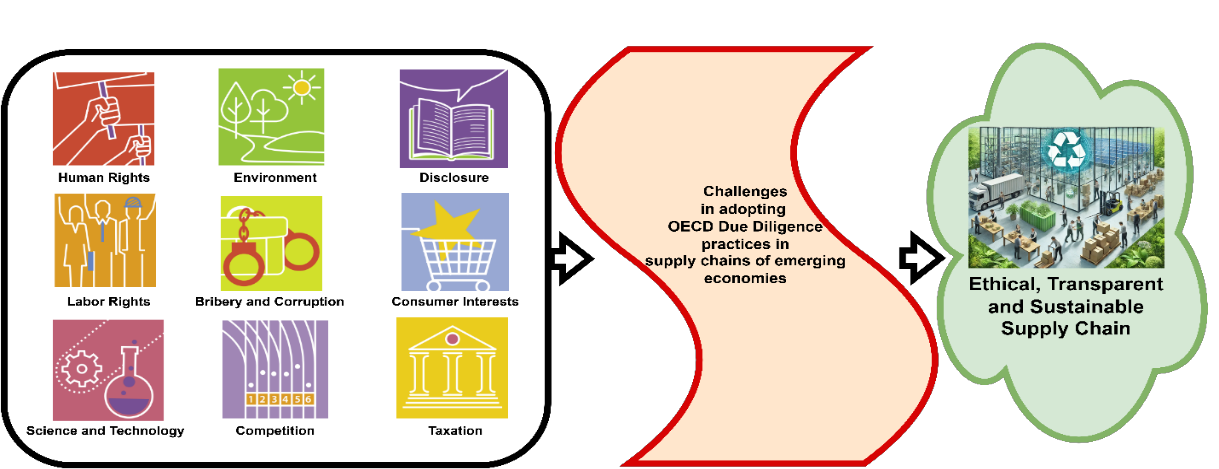
Although the importance of the OECD due diligence guidelines is widely acknowledged, a significant research gap remains in understanding the unique challenges faced by emerging economies in implementing these practices. Most existing studies focus on developed nations, where regulatory frameworks, institutional support, and stakeholder engagement are comparatively robust [7], [10]. However, in emerging economies, supply chains are often characterized by weak governance, inadequate infrastructure, and socio-economic disparities, all of which exacerbate the difficulty of adhering to international standards [9]. These challenges create an urgent need for a detailed investigation into the barriers and complexities that hinder the adoption of due diligence practices in such contexts. Fig. 1 illustrates the research problem of this ongoing study. The OECD's due diligence guidance covers a wide range of business responsibilities that can support ethical, transparent, and sustainable supply chains in emerging economies, provided that these challenges are addressed and mitigated.
Given this context, the following research questions arise:
RQ1: What are the significant challenges affecting the implementation of OECD due diligence in the supply chains of emerging economies?
RQ2: What criteria can be used to prioritize the identified challenges and develop a hierarchical approach to mitigate them?
RQ3: How can a prioritization framework be developed for an emerging economic country where resource is constrained to address all the challenges at a time?
To address this gap in the literature, researchers and industrial policymakers must conduct more extensive investigations into the implementation challenges of OECD due diligence and identify effective resilience strategies. Therefore, this research aims to identify the existing challenges and prioritize them using a hybrid Multi-Criteria Decision-Making (MCDM) approach, integrating the Analytic Hierarchy Process (AHP) and the Technique for Order of Preference by Similarity to Ideal Solution (TOPSIS) method. To ensure the robustness of the results obtained through AHP-TOPSIS hybridization, the Preference Ranking Organization Method for Enrichment Evaluation (PROMETHEE) with AHP (integrating AHP and PROMETHEE) is going to be applied.
AHP is a structured and quantitative method that provides a mathematically rigorous approach to decision-making and is favorable to the researcher for its calculation simplicity. TOPSIS and PROMETHEE are two other popular techniques for making optimal decisions among multiple alternatives. In hybrid MCDM techniques, AHP is primarily used for determining the weightage of criteria, while TOPSIS ranks the alternatives [12]. Similarly, when AHP is combined with PROMETHEE, AHP defines the criteria weights, and PROMETHEE determines the final ranking [13].
This research is significant because supply chain transparency and ethical practices are essential for achieving long-term sustainability goals. By addressing the challenges associated with adopting OECD due diligence guidelines, this study contributes to the advancement of responsible supply chain management, particularly in export-driven industries that play a crucial role in the economies of emerging nations. Furthermore, this research provides actionable insights that align with the broader objectives of the UN SDGs, particularly those related to decent work, reducing inequalities, and promoting sustainable industrialization [11]. Understanding these challenges and developing structured frameworks for prioritization and decision-making will help bridge the gap between international standards and practical implementation in resource-constrained environments.
This study aims to address three key objectives:
RO1: Identify the challenges in adopting OECD Due Diligence Practices in supply chains within emerging economies.
RO2: Determine the criteria for effectively prioritizing these challenges.
RO3: Develop a comprehensive decision-making framework using AHP-TOPSIS and AHP-PROMETHEE methodologies.
In addressing these objectives, this research hypothesizes that structural and systemic challenges significantly hinder the adoption of due diligence frameworks. However, these challenges can be systematically prioritized and mitigated using robust decision-making models. By bridging this gap, the study aims to pave the way for more ethical, transparent, and sustainable supply chains, providing a blueprint for emerging economies to align with global standards.
2. Literature Review
The growing complexities of global supply chains have heightened concerns over ethical, environmental, and governance issues, making due diligence a critical area of research [14]. Existing studies highlight the significance of OECD due diligence guidelines in mitigating risks such as labor exploitation, unsafe working conditions, and environmental degradation. However, a gap remains in understanding how these challenges can be systematically prioritized and addressed using structured decision-making models. This literature review explores key studies on supply chain due diligence, the challenges to implementation, and the effectiveness of MCDM approaches in overcoming these obstacles.
2.1 Challenges in Implementing Due Diligence Laws
Felbermayr et al. [7] analyze the implications of Germany’s due diligence law on mechanical and plant engineering firms, particularly its impact on compliance with human rights and environmental standards. Using empirical analysis and policy evaluation, the study draws on OECD input-output tables, International Trade Union Confederation (ITUC) reports, and economic research to assess interdependencies between German firms and suppliers in developing countries. The findings reveal a significant risk: rising compliance costs may reduce firm competitiveness, prompting companies to limit supplier networks or shift production domestically. This shift could exclude developing countries from global supply chains, undermining their economic integration. Additionally, the study warns that the law may inadvertently disadvantage firms already adhering to higher standards, while non-compliant suppliers may bypass regulations through indirect trade routes. These insights suggest that while due diligence laws aim to promote ethical sourcing, they may also create unintended economic distortions in global supply chains.
Schilling‐Vacaflor and Lenschow [9] examine governance gaps in global supply chains and the limitations of EU-level policymaking in enforcing corporate accountability through mandatory due diligence regulations. Through primary document analysis, semi-structured interviews, and policy debate observations, the study identifies weak enforcement mechanisms, limited stakeholder involvement, and legal liability concerns as major barriers to effective implementation. The authors also highlight the risk of "accountability traps," where due diligence laws fail to hold corporations meaningfully responsible. These findings underscore the broader challenges of implementing due diligence frameworks, particularly in emerging economies where regulatory enforcement is often weaker.
2.2 Human Rights Due Diligence and Corporate Practices
Smit et al. [14] explore Human Rights Due Diligence (HRDD) in global supply chains, focusing on corporate risk management practices related to human rights abuses. Grounded in the UNGPs, the study examines how companies across various sectors integrate HRDD into their supply chain governance. Using desk-based research, semi-structured interviews, and roundtable discussions, the study identifies key challenges and emerging trends. Findings indicate that HRDD practices vary significantly across sectors, with some companies implementing proactive measures such as supplier codes, training programs, and grievance mechanisms. However, supply chain transparency remains a major challenge, particularly beyond first-tier suppliers. The study also highlights the rise of mandatory HRDD regulations and the increasing use of technology-driven approaches, such as traceability tools and Human Rights Impact Assessments (HRIAs). Ultimately, the research emphasizes the growing expectation for companies to embed HRDD into corporate governance rather than relying solely on compliance mechanisms.
2.3 Regulatory Complexity and Corporate Accountability
Villiers [10] examines the European Union’s evolving regulatory framework for corporate reporting, due diligence, and accountability, focusing on the challenges posed by organizational and regulatory complexity in the context of sustainability and climate change. Through a theoretical and analytical approach, the author reviews existing literature, analyzes regulatory frameworks such as the Non-Financial Reporting Directive (NFRD), Corporate Sustainability Reporting Directive (CSRD), and Corporate Sustainability Due Diligence Directive (CSDDD), and explores case studies like Enron and Wirecard to illustrate the pitfalls of complexity. The study finds that while complexity can enhance resilience and adaptability, it also risks enabling obfuscation and regulatory arbitrage, leading to information overload and reduced transparency. The author argues for robust regulation that balances flexibility and steadfastness, proposing streamlined reporting standards, enhanced stakeholder engagement, and proactive due diligence to align corporate behaviors with sustainability goals. The study concludes that the EU’s regulatory efforts, though commendable, must address overlapping requirements and ensure clarity to avoid undermining their potential impact.
2.4 From Cascading Compliance to Mandatory Due Diligence
Wilhelm [11] critiques the shift from the "cascading compliance" model, where MNEs impose sustainability standards on suppliers through codes of conduct and audits, to mandatory due diligence legislation, such as the EU’s CSDDD. Using a literature review and policy analysis, the study highlights the failure of the cascading compliance model to address human rights and environmental violations and explores the implications of mandatory due diligence for lead firms, suppliers, and governments. The findings suggest that while due compulsory diligence represents a paradigm shift toward a risk-based approach, its success depends on firms’ willingness to invest in thorough risk assessments, capacity building for suppliers, and collaboration with NGOs and other stakeholders. This shift could lead to more equitable value distribution and improved sustainability governance in Global Value Chains (GVCs).
2.5 Research Gap and Contribution through MCDM Approach
While the aforementioned studies underscore the significance of supply chain due diligence in a global context and acknowledge the persistent challenges in implementing guidelines, particularly in emerging economies, none offer a framework to prioritize these challenges systematically. Moreover, existing research lacks tailored strategies for emerging economies, where challenges often stem from socio-economic contexts. This gap in the literature highlights the need for a structured approach to address these issues.
Previous studies have utilized combined MCDM approaches, such as AHP-TOPSIS, to analyze operational hazards [12], sustainable supplier selection [15], supply chain challenges assessment [16], and supply chain performance analysis [17]. Similarly, the AHP-PROMETHEE approach has been applied in related fields [18–20]. However, to the best of the author’s knowledge, no prior study has used these methods to identify and prioritize challenges in adopting OECD due diligence practices in the supply chains of emerging economies. Therefore, this ongoing study represents a novel contribution to the field of supply chain due diligence.
3. Pathway to Achieving OECD Due Diligence in Emerging Economies
The OECD Due Diligence Guidance for Responsible Business Conduct offers a systematic process for identifying, preventing, and mitigating adverse impacts within business operations, supply chains, and broader business relationships. For emerging economies, aligning with these standards requires a careful balance between adopting internationally recognized practices and accommodating local constraints such as limited institutional capacity, fragmented supply chains, and resource scarcity [21]. The pathway to achieving OECD-aligned due diligence in such contexts must therefore combine the six core steps of the framework with implementation strategies tailored to the realities of developing market environments (see Fig. 2).
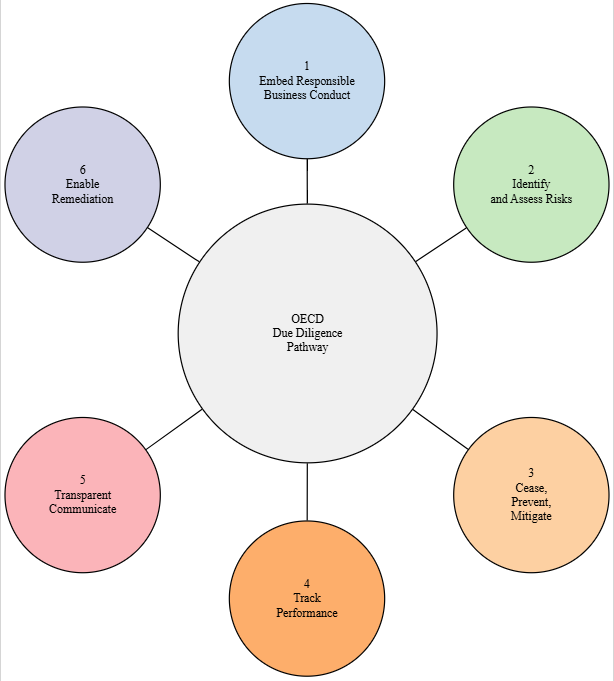
The first step is embedding responsible business conduct into both national policy frameworks and company-level governance structures. Governments in emerging economies can encourage adoption by integrating OECD principles into trade, labor, and environmental regulations, while also offering incentives such as tax benefits or export advantages to compliant companies. At the industry level, sector-specific codes of conduct adapted from OECD guidelines can help translate broad principles into contextually relevant standards [22]. Capacity building plays a critical role at this stage, with targeted training for managers, procurement officers, and suppliers, ensuring that responsible business conduct is understood as a core operational value rather than a peripheral compliance exercise.
Identifying and assessing adverse impacts presents unique challenges in emerging economies due to the prevalence of informal suppliers, weak data systems, and limited traceability. Addressing these gaps requires innovative approaches such as digital mapping platforms, mobile-based reporting systems, and partnerships with local NGOs, community groups, and industry associations. A risk-based prioritization approach can help concentrate initial efforts on high-risk sectors or regions where the likelihood and severity of adverse impacts are greatest, such as areas with persistent labor rights violations, environmental degradation, or weak governance structures.
Once risks have been identified, the next priority is to cease, prevent, or mitigate adverse impacts. In practice, this may involve enforcing compliance with minimum labor, environmental, and governance standards as a condition for supplier engagement, while also providing technical assistance, shared technologies, or co-investment opportunities to address systemic shortcomings. Recognizing that smaller suppliers may struggle with immediate compliance, phased implementation plans can help them gradually align with OECD standards without jeopardizing livelihoods or economic stability [23].
Monitoring progress is critical to ensure that due diligence efforts produce tangible results. In contexts where institutional oversight is weak, independent third-party audits can supplement official inspections, while community feedback mechanisms such as grievance hotlines can provide valuable real-time insights. Digital tools, including low-cost mobile applications and IoT-enabled sensors, can further enhance monitoring efficiency, particularly for tracking environmental performance or occupational safety compliance.
Transparent communication is another vital component of the OECD due diligence process [24]. Companies operating in emerging economies can build credibility with both local stakeholders and global buyers by publishing accessible sustainability reports, sharing progress updates with trade partners, and participating in multi-stakeholder forums that encourage open dialogue. Effective communication not only demonstrates accountability but also reinforces trust, which is critical for sustaining long-term commercial relationships. Finally, when adverse impacts occur despite preventive measures, remediation is essential. This may involve establishing culturally appropriate grievance mechanisms, collaborating with buyers and civil society to address systemic issues, and implementing restorative measures such as compensation, retraining programs, or environmental rehabilitation projects. In many emerging economies, cooperative approaches that involve multiple actors, government agencies, NGOs, industry bodies, and international partners can significantly improve the effectiveness of remediation efforts.
Achieving OECD-aligned due diligence in emerging economies is not simply a matter of adopting an external framework; it requires structural enablers such as regulatory alignment, investment in monitoring and traceability infrastructure, institutional support mechanisms, and accessible financing for supplier upgrades. By following this pathway, countries can progressively harmonize their supply chains with global standards, strengthen their competitiveness in international markets, and enhance sustainability outcomes. This process also highlights the persistent challenges, ranging from inadequate resources and technical expertise to fragmented and opaque supply chains, that must be systematically addressed, forming a natural bridge to the subsequent discussion of barriers faced by emerging economies in operationalizing OECD due diligence.
4. Methodology
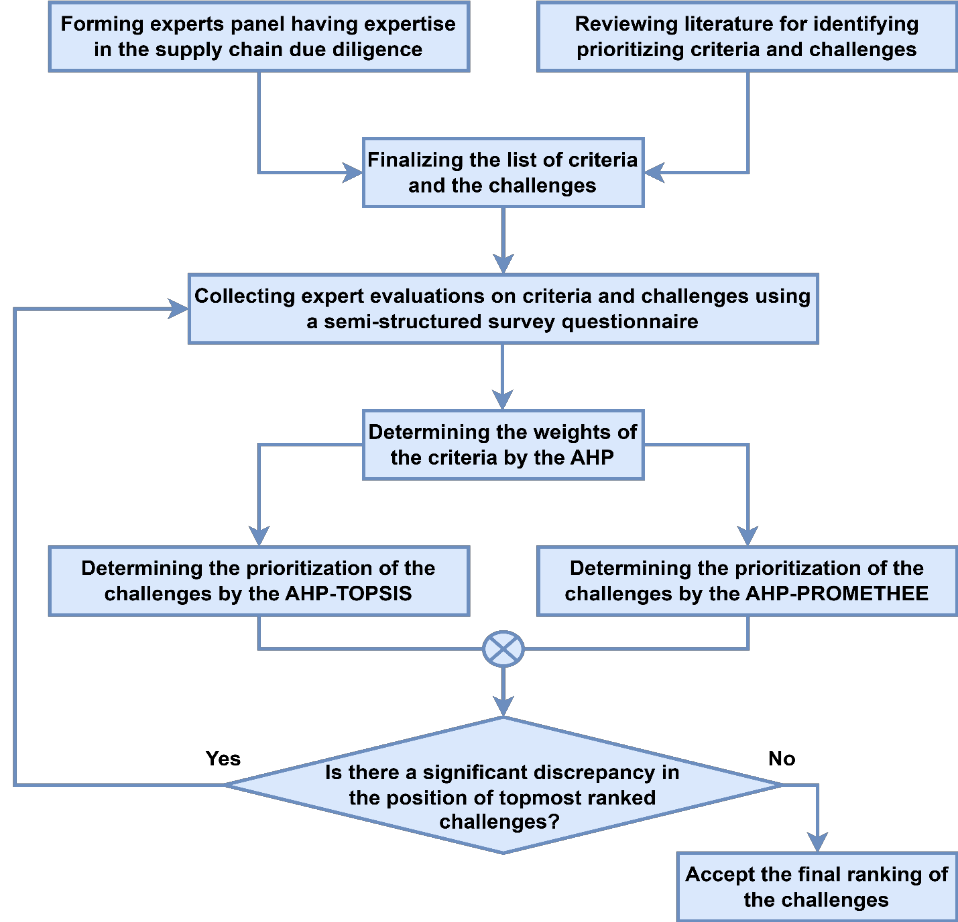
The methodological framework for this study includes the formation of the expert panel, reviewing the literature for identifying the criteria and the challenges, and applying the AHP, the TOPSIS, and the PROMETHEE methods for determining the prioritization of the risks. Fig. 3 depicts the methodology of this research.
4.1 Forming the Panel of Experts
For this study, a total of 25 experts were initially approached. Eventually, 16 experts (64% of those approached) were selected purposively to participate in the expert panel for this study. In MCDM studies, purposive selection of the experts is a common practice rather than random selection to utilize the relevant expertise of the experts properly and to be aligned with the study’s objectives [25]. The number of responding experts in such types of study may vary from a single expert to several [26]. The inclusion criteria for selecting the experts were as follows: a minimum of 10 years of experience working in the supply chain sector, a clear understanding and knowledge of supply chain due diligence, familiarity with OECD guidelines, ability to comprehend the semi-structured questionnaire, and willingness to modify or participate in multiple stages of evaluation to ensure consistency of the results. The names and working organizations of the experts are kept confidential. Table 1 shows a brief profile of the experts.
Table 1. Brief profile of the experts.
This table is shown in the PDF version of the article.
4.2 Identifying the Challenges Prioritizing Criteria
Criteria selection is a crucial step in prioritizing alternatives in a hybrid MCDM technique, as the weights assigned to each criterion heavily influence the final ranking score. It is also important that the chosen criteria are relevant to the study objective, selected challenges, and study scope [27]. After a thorough review of the literature, this study scrutinized six challenge-prioritizing criteria to assess the challenges in the subsequent phase of the study. Furthermore, these criteria were validated by experts using a 'yes' or 'no' based response. A detailed description of the selected criteria for prioritizing challenges in adopting OECD due diligence practices in supply chains can be found in Table 2.
Table 2. Prioritization criteria.
This table is shown in the PDF version of the article.
Institutional and Assesses the extent to which government policies, legal frameworks, and [28] regulatory (C1) institutional capacity hinder due diligence implementation.
Severity of impact (C2) Measures how significantly a challenge affects adoption. Higher severity [29] means a greater negative impact on compliance.
Alignment with Measures the impact of addressing a challenge in achieving broader [30] sustainability (C3) sustainability objectives, such as the UN SDGs.
Complexity and Evaluates how difficult it is to apply due diligence practices across various [31] scalability (C4) supply chain levels, including traceability and multi-tiered supplier networks.
Economic and financial Evaluates the financial burden on companies in adopting due diligence [32] (C5) measures.
Stakeholder resistance Measures resistance from key stakeholders (businesses, workers, consumers, [33] and engagement (C6) and governments) and the level of collaboration between them.
4.3 Identifying the Challenges
After conducting a comprehensive literature review, this study initially identified 20 challenges. Following a 'yes' or 'no' validation from experts, 17 challenges were confirmed as persistent obstacles to adopting OECD due diligence practices in the supply chains of emerging economies. Given the lack of research on the identification of supply due diligence, the study also reviewed literature from other related sectors. The search strings for scholarly articles included ("OECD" or "due diligence") and ("challenges" or "barriers"), "supply chain" and ("emerging" or "developing"), and so on. A detailed description of the identified challenges can be found in Table 3.
Table 3. Identified challenges.
This table is shown in the PDF version of the article.
R3 Skills and training gaps Shortage of skilled professionals to conduct [34] due diligence, risk assessments, and compliance reporting.
R4 Corruption and governance Bribery and weak institutional integrity make [11] issues due diligence efforts ineffective.
R5 Lack of awareness and Limited knowledge of OECD guidelines [34] understanding among businesses makes compliance difficult.
R6 Short-term profit focus Businesses prioritize immediate financial gains [35] over long-term, responsible supply chain practices.
R7 High implementation costs Expenses for audits, training, compliance [7] systems, and infrastructure upgrades are often prohibitive.
R8 Limited buyer support International buyers demand compliance but [7] provide little financial or technical assistance to suppliers.
R9 Fragmented and opaque Multi-tiered and complex supply chains make [14] supply chains tracing risks and ensuring compliance challenging.
R10 Monitoring and accountability Weak mechanisms for tracking compliance and [9] challenges enforcing penalties against violations.
R11 Lack of data transparency Limited access to reliable data makes risk [14], [10] assessment and reporting difficult.
R12 Resistance to change Traditional business cultures and supply chain [14] actors resist adopting new due diligence requirements.
R13 Poor labor practices Prevalence of informal employment, child [36] labor, and weak worker representation hinders compliance.
R14 Poor stakeholder Limited engagement and coordination between [37] collaboration businesses, regulators, NGOs, and labor groups.
R15 Environmental non- Difficulty in meeting environmental standards [34] compliance due to poor waste management and outdated technology.
R16 Political instability Frequent policy changes and weak institutional [38] stability create uncertainty in regulatory enforcement.
R17 Overlapping and conflicting Businesses struggle with multiple, sometimes [10] standards contradictory, regulations (e.g., OECD, UNGP, ISO).
4.4 Collecting Experts' Evaluation for the Criteria and the Challenges
The study utilized a two-phase evaluation process to collect expert opinions and evaluate criteria and challenges. The first phase involved a semi-structured survey questionnaire to evaluate the criteria, while the second phase involved another semi-structured survey questionnaire to evaluate the challenges. The evaluation score from the first phase was then used in the AHP method to determine the criteria weights, while the evaluation score from the second phase was used in both the AHP-TOPSIS and AHP-PROMETHEE methods to determine the final ranking of the challenges. The survey questionnaire was created in Google Forms and distributed to the experts through email communication. A sample of the survey questionnaires used in the two phases can be found in Appendix A, Table A1, and Table A2.
For collecting experts' opinions, this study utilized a 9-point evaluation scale in both phases of survey response collection. That scale was introduced by Saaty [39]. Table 4 shows the 9-point scale.
Table 4. A 9-point evaluation scale for collecting experts' opinions.
This table is shown in the PDF version of the article.
4.5 AHP Method
Saaty developed the AHP method, which is significant for its structured approach to decision-making and prioritization of factors based on their relative importance [40]. It allows decision-makers to break down complex problems into smaller, more manageable parts and to evaluate and compare different criteria or alternatives. Detailed procedures [12] of the AHP method are as follows:
Step 1. Using the opinions of experts, generate pairwise comparison matrices of the criteria as follows.
1 c ˜12 c ˜13 ⋯ c ˜1n c ˜12 1 c ˜23 ⋯ c ˜2n C = −1 −1 .
n×n c ˜13 c ˜23 1 ⋯ c ˜3n ⋮ ⋮ ⋮ ⋮ ⋮
−1 −1 −1
[c ˜1n c ˜2n c ˜3n ⋯ 1 ] Step 2. The consistency of each pairwise comparison matrix was confirmed by maintaining a Consistency Ratio of less than or equal to 0.1 following Eqs. (1) and (2).
λmax − n CI = . (1) n − 1 CI CR = ≤ 0.1. (2) RI Here, CI stands for consistency index, CR stands for consistency ratio, and RI stands for random index. max is the maximum eigenvalue of the matrix and represents the average weight of the criteria. In this study, n= 6, and RI=1.24 for six criteria. If the CR is greater than 0.1, the decision-maker needs to revise the pairwise comparison matrix to improve its consistency.
Step 3. All of the pairwise comparison matrices were combined into a single pairwise comparison matrix using the geometric mean approach.
Step 4. The aggregated pairwise matrix was normalized.
Step 5. The weights of the criteria were determined through the arithmetic mean of all the row elements of the aggregated pairwise matrix.
4.6 TOPSIS Method
TOPSIS, developed by Hwang and Yoon, is a method for evaluating alternatives based on their similarity to the ideal solution [41]. This MCDM tool has gained popularity due to its simplicity, computational efficiency, and comprehensive mathematical concept [42]. TOPSIS is founded on two concepts, positive and negative ideal solutions. Detailed procedures of the TOPSIS method [43] are as follows-Step 1. Establishing the decision matrix where each element of the decision matrix ( ) is a measure of criterion C over alternative .
Step 2. Creating the normalized decision matrix with Eq. (3).
xij rij = , i = 1, 2, 3, … . . , m; j = 1, 2, … … . , n. (3) √∑ (xij) Step 3. Creating the weighted normalized decision matrix with Eq. (4).
vij = wj × rij, i = 1, 2, … . . , m; j = 1,2, … . . , n, (4)
where represents the weight of criterion j, indicating its relative importance, compared to other criteria. Step 4. Determining the positive and negative ideal solutions with Eqs. (5) and (6).
+ + + + + max + min −
A = {V1 , V2 , … … , Vj , … … . , Vn } = {( ⩝iVij|jεJ ), ( ⩝iVij|jεJ )}
− − − − − min + max −
A = {V1 , V2 , … … , Vj , … … . , Vn } = {( ⩝iVij|jεJ ), ( ⩝iVij|jεJ )}
+ − +
where A indicates the positive ideal solution, A represents the negative ideal solution, J is regarded as the set of positive criteria, and J displays the set of negative criteria.
Step 5. Calculating the distances from and with Eqs. (7) and (8).
+ + 2
si = √∑ (Vij − Vj ) . (7)
− − 2
si = √∑ (Vij − Vj ) . (8)
ere si indicates the distance from the positive ideal solution and si shows the distance from the negative ideal solution.
Step 6. Calculating the similarity index and ranking alternatives with Eq. (9).
si ci = − , 0 < ci < 1. (9) si + si Alternatives are ranked based on the descending order of the similarity index (ci ).
4.7 PROMETHEE Method
The PROMETHEE methodology is a useful tool for analyzing multi-criteria problems and determining priority order in decision-making. Like the TOPSIS, PROMETHEE is also a relatively simple ranking method in conception and application. PROMETHEE is particularly effective for ranking problems with a finite number of alternatives based on conflicting criteria [44]. The method includes a partial ranking component (PROMETHEE I) and a complete ranking component (PROMETHEE II). In this study, PROMETHEE II is used for determining a complete ranking. Detailed procedures of the PROMETHEE II method [45] are as follows-Step 1. Establishing the decision matrix where each element of the decision matrix ( ) is a measure of criterion C over alternative .
Step 2. Determining the deviation of the related alternatives for each criterion with Eq. (10).
d (A , A ′) = C (A ) − C (A ′), i = 1, 2, … , m; i = 1, 2, … , m; j = 1, 2, … , n. (10)
i i i j i j i
where ( , ') represents the difference between two evaluations ( , ') on each criterion. This equation is inverted to a negative nature for the criterion.
Step 3. Calculating the preference function value with Eq. (11).
P(A , A ′) = f [ d (A , A ′)], (11)
j i i j i i
where f indicates the preference function, which is determined based on the nature of each criterion and the decision maker's opinion.
Step 4. Calculating the preference index with Eq. (12).
π (A , A ′) = ∑ P(A , A ′)w , ∑ w = 1, (12)
i i j i i j j j=1 j=1
where displays the relative weight of each criterion.
Step 5. Calculating the outranking flows with Eqs. (13) and (14).
Ø (A ) = ∑ π (A , A ′). (13)
i i i
m − 1
x εA
Ø (A ) = ∑ π (A , A ′), (14)
i i i
m − 1
x εA
where Ø + (A) and Ø - (A) are described as the leaving and entering flow, respectively.
Step 6. Calculating the net outranking flow Eq. (15).
Ø (Ai) = Ø (Ai) − Ø (Ai). (15)
Alternatives are ranked based on the descending order of the outranking flow.
4.8 Calculations
A sample pairwise matrix formed with the response from an expert for the AHP method can be found in Appendix B, Table B1. Similarly, 17 responses collected from 17 experts were aggregated to form the aggregated pairwise matrix shown in Table 5.
Table 5. Aggregated pairwise comparison matrix for the criteria.
This table is shown in the PDF version of the article.
The consistency ratio for this aggregated pairwise comparison matrix was 0.00167, which is less than 0.1 and acceptable. The normalized matrix is shown in Table 6.
Table 6. Normalized pairwise comparison matrix for the criteria.
This table is shown in the PDF version of the article.
The obtained weights of the criteria from the normalized matrix are shown in Table 7.
Table 7. Obtained criteria weights.
This table is shown in the PDF version of the article.
A sample decision matrix formed with the response from an expert for the AHP-TOPSIS and the AHP-PROMETHEE method can be found in Appendix B, Table B2. Similarly, 17 responses collected from 17 experts were aggregated to form the aggregated decision matrix, which is shown in Table 8.
Table 8. Aggregated decision matrix with the experts' evaluation scores.
This table is shown in the PDF version of the article.
The normalized matrix obtained from the aggregated decision matrix is shown in Table 9.
Table 9. Normalized decision matrix.
This table is shown in the PDF version of the article.
The calculated ranking of the challenges by the AHP-TOPSIS can be found in Table 10.
Table 10. Ranking of the challenges by the AHP-TOPSIS method.
This table is shown in the PDF version of the article.
The preference function for the AHP-PROMETHEE method can be found in Table 11.
Table 11. Preference function.
This table is shown in the PDF version of the article.
The calculated ranking of the challenges by the AHP-PROMETHEE II can be found in Table 12.
Table 12. Ranking of the challenges by the AHP- PROMETHEE II method.
This table is shown in the PDF version of the article.
5. Results and Discussion
5.1 Results
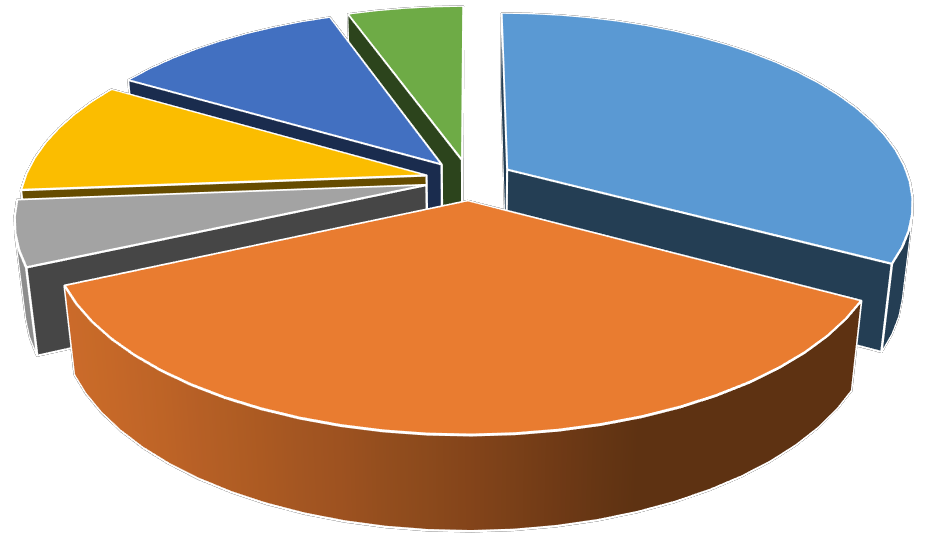
The obtained weights of the criteria (see Table 7) are as follows: C2 (0.354) > C1 (0.329) > C5 (0.111) > C4 (0.097) > C6 (0.055) > C3 (0.054). Fig. 4 depicts the weights of the criteria.
C6 ؛0/055 C5 ؛0/111 C1 ؛0/329 C4 ؛0/097
C3 ؛0/054
C2 ؛0/354
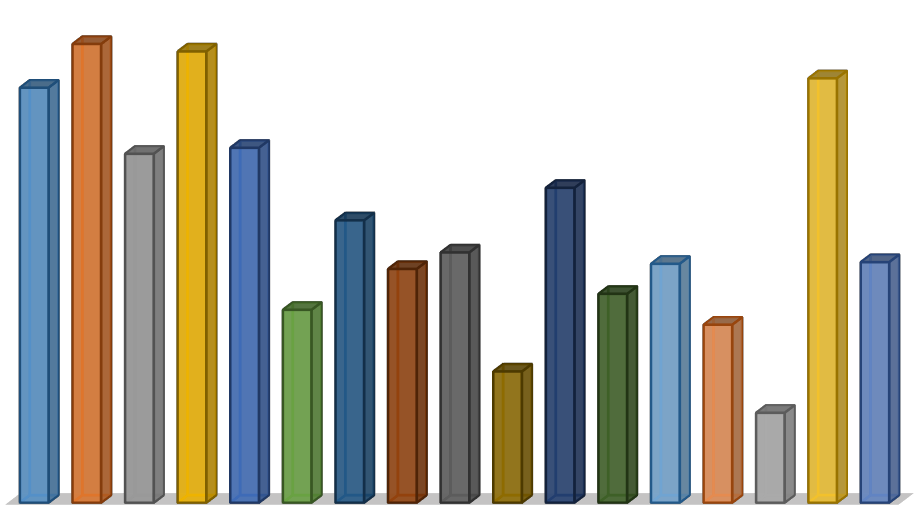
The ranking of the challenges obtained by the AHP-TOPSIS method (see Table 10) is as follows: R2 > R4 > R16 > R1 > R5 > R3 > R11 > R7 > R9 > R17 > R13 > R8 > R12 > R6 > R14 > R10 > R15. Fig. 5 depicts the results obtained by the AHP-TOPSIS method.
0/851 0/837 0/770 0/788
0/647 0/658 0/584 0/524 0/464 0/443 0/446 0/433 0/387 0/357 0/330 0/243 0/166
R1 R2 R3 R4 R5 R6 R7 R8 R9 R10 R11 R12 R13 R14 R15 R16 R17
The obtained ranking of the challenges by the AHP-PROMETHEE II method (see Table 12) is as follows: R2 > R4 > R16 > R1 > R5 > R3 > R11 > R7 > R17 > R9 > R13 > R8 > R14 > R6 > R12 > R15 > R10. Fig. 6 depicts the results obtained by the AHP-PROMETHEE II method.
030 030 0 0 025 / 023
006 005 0 0 001
010 011 011 / / / 012 0 - 0 0 / 014 014 - - 0 - / / 0 - 0 -
030 031 0 - 0 R 2 R 4 R 16 R 1 R 5 R 3 R 11 R 7 R 17 R 9 R 13 R 8 R 14 R 6 R 12 R 15 R 10 -
A comparison of the obtained ranking from two distinct phases of this study is shown in Table 13 and Fig. 7.
Table 13. A comparison of two rankings.
This table is shown in the PDF version of the article.
5.2 Discussions
5.2.1 Criteria weights
The weight distribution obtained through the AHP method reflects the socio-economic realities of emerging economies, where weak regulatory frameworks, financial constraints, and institutional inefficiencies hinder OECD due diligence adoption.
Severity of Impact (0.354) holds the highest weight because supply chains in these economies often involve human rights violations, unsafe workplaces, and environmental harm. Institutional and Regulatory (0.329) rank second, highlighting weak governance, inconsistent enforcement, and corruption as key barriers. Even when due diligence laws exist, poor enforcement undermines their effectiveness, making institutional reform critical. Without strong regulatory mechanisms, compliance remains voluntary, limiting its impact.
Economic and Financial (0.111) are also significant, as compliance requires costly audits, training, and monitoring, which many SMEs struggle to afford. However, financial constraints become secondary when strict regulations and market pressures enforce compliance, explaining the lower weight compared to regulatory issues.
Complexity and Scalability (0.097) reflect the fragmented supply chains in emerging economies, where subcontracting and informal labor arrangements make traceability difficult. Stakeholder Resistance and Engagement (0.055) has a lower weight because resistance to due diligence is often due to weak enforcement rather than fundamental opposition. Businesses adapt when regulatory and buyer pressures increase, making resistance a secondary challenge.
Alignment with Sustainability (0.054) ranks lowest, as businesses in emerging economies prioritize financial survival over long-term sustainability. Compliance efforts are initially focused on meeting legal and buyer demands, with sustainability becoming relevant only after fundamental regulatory and financial challenges are addressed.
5.2.2 Challenges ranking
This study determined the topmost challenges consistent for both ranking methods applied in the research, which is ensuring the sensitivity of the obtained result (see Table 13 and Fig. 7). Only a little difference is observed for some of the lower-ranked risks in the two methods. For example, both rankings showed, ‘weak regulatory enforcement (R2)’, ‘corruption and governance issues (R4)’, ‘political instability (R16)’, ‘limited institutional capacity (R1)’, and ‘lack of awareness and understanding (R5)’ are the topmost prioritized five challenges for the adoption of OECD due diligence in the supply chains of emerging economies.
Weak regulatory enforcement (R2) undermines the effectiveness of due diligence frameworks. In many emerging economies, even when due diligence laws exist, lax oversight, weak penalties, and underfunded enforcement agencies allow non-compliance to persist. For instance, Bangladesh’s industrial sector has seen persistent workplace safety violations despite international regulations [46]. Many factories bypass safety upgrades due to weak inspections and insufficient legal consequences. Weak enforcement undermines trust in institutions and creates a culture of non-compliance. Strengthening regulatory enforcement can improve data transparency (R11) by mandating accurate reporting and reducing corruption (R4) by increasing accountability in governance.
Corruption and governance issues (R4) weaken due diligence implementation. In many countries, factory inspections and labor audits can be manipulated through unofficial payments, allowing non-compliant suppliers to continue operating unchecked. For example, in industries of emerging economies, factory owners sometimes bribe inspectors to overlook labor violations [47]. Corruption distorts market mechanisms, favoring unethical businesses, and undermines investor confidence. Reducing corruption enhances stakeholder collaboration (R14) by promoting trust between businesses, regulators, and NGOs, and also contributes to political stability (R16).
Political instability (R16) leads to frequent policy changes and unpredictable governance, creating uncertainty that deters long-term investments in compliance mechanisms. In Myanmar, shifts in government policies following political turmoil have disrupted labor rights enforcement, increasing violations in supply chains [48]. Unstable governance results in inconsistent labor rights enforcement and discourages foreign investments. Addressing political instability supports stronger institutional capacity (R1) and enables long-term policy planning.
Limited Institutional Capacity (R1), particularly in government agencies and industry associations in emerging economies, often results in a lack of resources and expertise to support due diligence compliance. Many regulatory bodies struggle with outdated technology, understaffing, and insufficient training programs. In many developing countries’ mining sectors, weak institutional capacity has led to environmental and labor law violations [49]. Strengthening institutions can facilitate training programs (R3) and promote stakeholder engagement (R14).
Lack of awareness and understanding (R5) is prevalent. Many businesses, particularly SMEs, are unaware of OECD guidelines. In Ethiopia’s textile industry, manufacturers struggle to understand international compliance requirements, limiting market access [50]. Improved awareness programs can bridge the compliance gap and improve data transparency (R11).
By addressing the highest-ranked challenges, emerging economies can indirectly tackle lower-ranked ones. Strengthening enforcement mechanisms, reducing corruption, stabilizing governance, and improving institutional capacity create a foundation for solving financial and operational challenges, such as high compliance costs (R7) and fragmented supply chains (R9). This ranking aligns with studies in Asia and Africa, which emphasize governance and institutional strength as prerequisites for sustainable supply chains [51]. However, while China has successfully improved regulatory enforcement, many emerging economies still face entrenched institutional weaknesses, highlighting the difficulty of overcoming these barriers without systemic reform.
The interconnection between these challenges suggests that addressing the top-ranked issues will have a cascading impact on the lower-ranked ones, ultimately facilitating the adoption of OECD due diligence practices in emerging economies.
For instance, strengthening regulatory enforcement (R2) directly improves data transparency (R11) by mandating accurate reporting mechanisms, reducing the ability of companies to conceal unethical practices. It also discourages corruption (R4) by holding businesses accountable for compliance, creating an environment where ethical supply chain practices are incentivized rather than avoided. Studies on supply chain governance in Southeast Asia and Latin America have highlighted that weak enforcement mechanisms create loopholes that businesses exploit to avoid compliance costs. By closing these loopholes, emerging economies can create a more predictable regulatory environment that attracts responsible investment. Similarly, reducing corruption (R4) ensures that regulatory agencies function effectively, reinforcing institutional capacity (R1) and improving political stability (R16). Many developing nations struggle with policy uncertainty due to government instability, deterring long-term compliance investments. A transparent regulatory environment builds trust among businesses, investors, and workers, encouraging sustainable business practices. For example, Rwanda’s strong anti-corruption measures have significantly improved its business climate, contrasting with more corrupt environments like Nigeria, where supply chain regulations remain poorly enforced [52].
Addressing political instability (R16) creates a foundation for stable regulatory frameworks, which in turn strengthen institutions (R1). Many businesses hesitate to adopt OECD due diligence practices in politically volatile regions due to the fear that shifting policies may unpredictably increase compliance costs. Countries that have achieved regulatory stability—such as Vietnam, which improved its labor standards after securing trade agreements—demonstrate how stability facilitates the adoption of responsible business practices. Further, enhancing institutional capacity (R1) allows regulatory agencies to provide technical guidance and enforcement support. A lack of skilled professionals (R3) often hinders due diligence implementation, particularly in industries that are reliant on manual labor, such as textiles and agriculture. Strengthening institutions enables better training programs and fosters compliance readiness among businesses, addressing both knowledge gaps (R5) and labor-related risks (R13). Ethiopia’s experience in the textile sector highlights this need—factories aiming to enter European markets often lack the technical expertise required for sustainable sourcing, resulting in frequent compliance failures.
Finally, raising awareness and understanding (R5) bridges the compliance gap, particularly for Small and Medium Enterprises (SMEs) that lack the resources to navigate complex regulatory landscapes. Many SMEs operate in informal supply chains, where OECD guidelines are not well understood. Targeted education and training initiatives, such as those implemented in South Africa’s mining sector, help businesses align with international standards. This, in turn, reduces resistance to change (R12), as businesses recognize the long-term benefits of compliance in securing stable buyer relationships.
Addressing these top-ranked challenges lays the groundwork for solving financial and operational barriers. High implementation costs (R7) remain a significant concern, but with stronger institutions and reduced corruption, governments and international bodies can provide targeted financial and technical assistance to businesses. Similarly, fragmented and opaque supply chains (R9) become easier to manage when transparency initiatives and digital tracking systems are mandated through strong regulatory frameworks.
6. Implications of the Study Result
The findings of this study hold significant implications for both managerial decision-making and policy formulation in emerging economies, particularly in advancing the SDGs. By prioritizing key challenges in adopting OECD due diligence practices, this research provides actionable insights to enhance responsible supply chain management, institutional governance, and regulatory enforcement.
For business leaders and supply chain managers, addressing the top-ranked challenges—weak regulatory enforcement, corruption, and political instability—can lead to more transparent, ethical, and sustainable business operations. Strengthening compliance mechanisms and internal governance structures will enhance risk management and resilience, aligning with SDG 8 (decent work and economic growth) and SDG 12 (responsible consumption and production). By integrating robust due diligence processes, businesses can improve supplier accountability, reduce risks related to unethical labor practices, and build investor and consumer trust. Additionally, investing in technology-driven solutions such as blockchain for supply chain transparency and AI-driven risk assessments can help mitigate governance and compliance risks.
For policymakers, the study highlights the urgent need to strengthen regulatory frameworks and enhance enforcement mechanisms. Addressing corruption and weak institutional capacity through anti-corruption policies, stricter penalties, and enhanced institutional monitoring will improve governance and support SDG 16 (peace, justice, and strong institutions). Moreover, capacity-building programs for regulatory bodies and businesses will help close the compliance gap, ensuring a level playing field for all supply chain actors. Political stability and policy continuity are crucial for long-term investment in sustainable supply chain practices, which directly support SDG 9 (industry, innovation, and infrastructure).
By addressing these challenges through targeted managerial actions and policy reforms, emerging economies can foster a more ethical, sustainable, and resilient supply chain ecosystem, ultimately accelerating progress toward global sustainability goals.
7. Conclusions
This study systematically examined the key challenges hindering the adoption of OECD due diligence practices in the supply chains of emerging economies, successfully addressing all three research objectives. First, by conducting an extensive literature review and incorporating expert input, the study identified and categorized seventeen critical challenges affecting due diligence adoption (RO1). Second, using MCDM techniques, specifically AHP, TOPSIS, and PROMETHEE, the study established a structured prioritization framework and determined the most influential criteria (RO2). Finally, by integrating AHP-TOPSIS and AHP-PROMETHEE, the study developed a robust decision-making model, allowing policymakers and industry leaders to address challenges in resource-constrained environments (RO3) systematically.
A unique contribution of this study is its dual-ranking validation, which ensures the reliability of results by cross-verifying prioritization outcomes. The findings reveal that ‘weak regulatory enforcement’, ‘corruption and governance issues’, and ‘political instability’ are the most significant barriers to OECD due diligence implementation, underscoring the need for stronger institutional frameworks and governance reforms. Other challenges are also significant for the OECD due diligence implementation. However, they are positioned comparatively lower as mitigating the topmost challenges and consequently mitigating the other challenges simultaneously. This stratified framework is another significant outcome of this research work. Moreover, the weight distribution analysis highlights the socio-economic realities of emerging economies, demonstrating that regulatory constraints and enforcement gaps play a more crucial role than financial limitations.
From an implication’s perspective, this study provides practical insights for policymakers, businesses, and international organizations seeking to enhance supply chain transparency and sustainability. Strengthening regulatory enforcement, improving institutional capacity, and fostering multi-stakeholder collaboration are essential strategies for overcoming these challenges. Additionally, supporting SMEs with financial and technical resources can facilitate compliance without disproportionately burdening resource-constrained firms.
Despite its contributions, this study has certain limitations. The comparison between the two methods shows a little difference in the position of some of the lower-ranked challenges. However, this is not significant from the perspective of the overall study results. The discrepancy occurred only for the calculation techniques of the two MCDM methods, the TOPSIS and the PROMETHEE II.
The findings are based on expert input and literature review, which may introduce subjective biases. Additionally, the study focuses on macro-level challenges and does not explore sector-specific variations, which could be crucial for industry-specific policy recommendations. Future research should explore sector-based case studies, incorporate dynamic modeling techniques, and examine the long-term impact of policy interventions to strengthen due diligence adoption in emerging economies further further.
Declarations
Ethics approval and consent to participate: not applicable.
Consent for publication
All authors agreed to publish the current version of the manuscript.
Availability of data and material
Data will be available upon request.
Competing Interests
The authors declare that they have no conflict of interest.
Funding
This work did not receive any external funding.
Authors' contributions
M.T.S.: drafting manuscript, conceptualization; M.F.A.T.T.: drafting manuscript, data collection; S.M.S.A.: drafting manuscript; M.E.Z.: drafting manuscript; S.S.S.: survey design, data collection; M.R.: project administration validation.
Acknowledgements
We sincerely thank all the survey respondents and experts who contributed to this study.
Appendix A
Table A1. Sample questionnaire for collecting experts' opinions to find criteria weights.
Question Response How important do you think the Institutional and Regulatory (C1) is over the Severity of Impact (C2)?
How important do you think the Institutional and Regulatory (C1) is over the Alignment with Sustainability (C3)?
How important do you think the Institutional and Regulatory (C1) is over Complexity and Scalability (C4)?
How important do you think the Institutional and Regulatory (C1) is over the Economic and Financial (C5)?
How important do you think the Institutional and Regulatory (C1) is over Stakeholder Resistance and Engagement (C6)?
… … … … … … … … … … … … … … … … … … … … … … … … … How important do you think Economic and Financial (C5) is over Stakeholder Resistance and Engagement (C6)?
Table A2. Sample questionnaire for collecting experts' opinions to prioritize the challenges.
Code Criteria Response Challenges C1 C2 C3 C4 C5 C6 R1 Limited Institutional Capacity R2 Weak Regulatory Enforcement … … … … … … … … … … … … … … R17 Overlapping and Conflicting Standards
Appendix B
Table B1. A sample pairwise matrix of an expert for the AHP method*.
C1 C2 C3 C4 C5 C6 C1 1.00 0.50 5.00 3.00 2.00 5.00 C2 2.00 1.00 7.00 5.00 4.00 9.00 C3 0.20 0.14 1.00 0.33 0.33 1.00 C4 0.33 0.20 3.00 1.00 0.50 2.00 C5 0.50 0.25 3.00 2.00 1.00 2.00 C6 0.20 0.11 1.00 0.50 0.50 1.00
* The consistency ratio for this response was 0.015, which is less than 0.1 and acceptable.
Table B2. A sample decision matrix of an expert for the challenge prioritization.
Criteria C1 C2 C3 C4 C5 C6 Risks R1 4.00 7.00 7.00 5.00 6.00 8.00 R2 6.00 8.00 5.00 8.00 6.00 5.00 R3 5.00 5.00 3.00 6.00 1.00 2.00 R4 5.00 8.00 8.00 9.00 5.00 2.00 R5 3.00 8.00 6.00 9.00 4.00 5.00 R6 2.00 4.00 2.00 7.00 5.00 1.00 R7 3.00 5.00 6.00 7.00 4.00 4.00 R8 3.00 4.00 3.00 3.00 3.00 3.00 R9 1.00 8.00 3.00 7.00 2.00 1.00 R10 1.00 4.00 1.00 1.00 2.00 3.00 R11 3.00 6.00 4.00 3.00 8.00 2.00 R12 2.00 5.00 6.00 5.00 2.00 1.00 R13 2.00 6.00 2.00 6.00 2.00 2.00 R14 1.00 4.00 8.00 8.00 6.00 3.00 R15 1.00 1.00 5.00 5.00 3.00 7.00 R16 4.00 7.00 7.00 8.00 7.00 6.00 R17 2.00 5.00 6.00 8.00 6.00 3.00
References
- [1] Debnath, B., Siraj, M. T., Rashid, K. H. O., Mainul Bari, A. B. M., Karmaker, C. L., & Aziz, R. Al. (2023). Analyzing the critical success factors to implement green supply chain management in the apparel manufacturing industry: implications for sustainable development goals in the emerging economies. Sustainable manufacturing and service economics, 2, 100013. https://doi.org/10.1016/j.smse.2023.100013
- [2] Moayad, S. J., Kamal, S. H. M., Sajjadi, H., Vameghi, M., Harouni, G. G., & Alamdari, S. M. (2021). Child labor in Tehran, Iran: abuses experienced in work environments. Child abuse & neglect, 117, 105054. https://doi.org/10.1016/j.chiabu.2021.105054
- [3] Takala, J., Hämäläinen, P., Sauni, R., Nygård, C. H., Gagliardi, D., & Neupane, S. (2024). Global, regional-and country-level estimates of the work-related burden of diseases and accidents in 2019. Scandinavian journal of work, environment & health, 50(2), 73. https://pmc.ncbi.nlm.nih.gov/articles/PMC10927068/
- [4] Paltsev, S., Morris, J., Kheshgi, H., & Herzog, H. (2021). Hard-to-abate sectors: the role of industrial carbon capture and storage (CCS) in emission mitigation. Applied energy, 300, 117322. https://doi.org/10.1016/j.apenergy.2021.117322
- [5] Elliott, K. A. (2022). Handbook on globalisation and labour standards. Edward elgar publishing. https://books.google.com/books?id=mq1jEAAAQBAJ
- [6] OECD. (2018). OECD due diligence guidance for responsible business conduct. https://www.oecd.org/en/publications/oecd-due-diligence-guidance-for-responsible-business-conduct_15f5f4b3-en.html
- [7] Felbermayr, G., Godart, O., Langhammer, R. J., & Sandkamp, A. (2021). Opportunities and risks of a due diligence law. https://impuls-stiftung.de/wp-content/uploads/2022/06/Opportunities-and-risks-of-a-due-diligence-law.pdf
- [8] Hess, D. (2021). The management and oversight of human rights due diligence. American business law journal, 58(4), 751–798. https://doi.org/10.1111/ablj.12197
- [9] Schilling-Vacaflor, A., & Lenschow, A. (2023). Hardening foreign corporate accountability through mandatory due diligence in the European Union? New trends and persisting challenges. Regulation & governance, 17(3), 677–693. https://doi.org/10.1111/rego.12402
- [10] Villiers, C. (2022). New directions in the european union’s regulatory framework for corporate reporting, due diligence and accountability: the challenge of complexity. European journal of risk regulation, 13(4), 548–566. https://doi.org/10.1017/err.2022.25
- [11] Wilhelm, M. (2024). Mandatory due diligence legislation: a paradigm shift for the governance of sustainability in global value chains? Journal of international business policy, 7(4), 459–465. https://doi.org/10.1057/s42214-024-00193-4
- [12] Bari, A. B. M. M., Siraj, M. T., Paul, S. K., & Khan, S. A. (2022). A hybrid multi-criteria decision-making approach for analysing operational hazards in heavy fuel oil-based power plants. Decision analytics journal, 3, 100069. https://doi.org/10.1016/j.dajour.2022.100069
- [13] Turcksin, L., Bernardini, A., & Macharis, C. (2011). A combined AHP-PROMETHEE approach for selecting the most appropriate policy scenario to stimulate a clean vehicle fleet. Procedia - social and behavioral sciences, 20, 954–965. https://doi.org/10.1016/j.sbspro.2011.08.104
- [14] Smit, L., Holly, G., McCorquodale, R., & Neely, S. (2021). Human rights due diligence in global supply chains: evidence of corporate practices to inform a legal standard. The international journal of human rights, 25(6), 945–973. https://doi.org/10.1080/13642987.2020.1799196
- [15] Menon, R. R., & Ravi, V. (2022). Using AHP-TOPSIS methodologies in the selection of sustainable suppliers in an electronics supply chain. Cleaner materials, 5, 100130. https://doi.org/10.1016/j.clema.2022.100130
- [16] Ul Islam, S. M., Khan, S., Ahmad, H., Ur Rahman, M. A., Tomar, S., & Khan, M. Z. (2022). Assessment of challenges and problems in supply chain among retailers during COVID-19 epidemic through AHP-TOPSIS hybrid MCDM technique. Internet of things and cyber-physical systems, 2, 180–193. https://doi.org/10.1016/j.iotcps.2022.10.001
- [17] Haji, M., Kerbache, L., & Al-Ansari, T. (2022). Evaluating the performance of a safe insulin supply chain using the AHP-TOPSIS approach. Processes, 10(11), 2203. https://doi.org/10.3390/pr10112203
- [18] Amallynda, I., Hidayatulloh, R. A. T., & Utama, D. M. (2022). Supplier selection utilizing fuzzy-AHP and promethee: a case study in garment industry. AIP conference proceedings (Vol. 2453, p. 020041). AIP Publishing LLC. https://doi.org/10.1063/5.0094601
- [19] Isa, M. A. M., Saharudin, N. S., Anuar, N. B., & Mahad, N. F. (2021). The application of ahp-promethee ii for supplier selection. Journal of physics: conference series (Vol. 1988, p. 012062). IOP Publishing. https://doi.org/10.1088/1742-6596/1988/1/012062
- [20] Karanam, M., Lanka, K., Pattela, S. N., & Manupati, V. K. (2022). Investigating the key enablers in perishable food supply chain using dematel and ahp—promethee. International conference on data analytics in public procurement and supply chain (pp. 217–237). Singapore: Springer Nature Singapore. https://doi.org/10.1007/978-981-99-1019-9_22
- [21] Siems, M. M., & Alvarez-Macotela, O. (2014). The OECD principles of corporate governance in emerging markets: a successful example of networked governance? In Networked governance, transnational business and the law (pp. 257–284). Berlin, Heidelberg: Springer Berlin Heidelberg. https://doi.org/10.1007/978-3-642-41212-7_12
- [22] Mishra, B., & Kumar, A. (2021). How does regulatory framework impact sectoral performance? A systematic literature review. International journal of productivity and performance management, 72(5), 1419– 1444. https://doi.org/10.1108/IJPPM-07-2021-0398
- [23] Samans, R. (2023). Human-centred national economic policy: institutionalizing inclusion, sustainability and resilience in domestic economic governance. Human-centred economics: the living standards of nations (pp. 131–234). Cham: Springer International Publishing. https://doi.org/10.1007/978-3-031-37435-7_5
- [24] Martin-Ortega, O. (2022). Transparency and human rights in global supply chains: from corporate-led disclosure to a right to know. In Research handbook on global governance, business and human rights. Cheltenham, UK: Edward Elgar Publishing. https://doi.org/10.4337/9781788979832.00012
- [25] Siraj, T., Haque, R. ., Chowdhury, S. ., Islam, N., Biswas, B., & Chowdhury, K. H. (2024). Analyzing challenges in enterprise resource planning (ERP) implementation in a safety inspection company: an IVT2IF DEMATEL approach. Optimality, 1(2), 205-223. https://doi.org/10.22105/opt.v1i2.50
- [26] Zolghadr-Asli, B., Bozorg-Haddad, O., Enayati, M., & Chu, X. (2021). A review of 20-year applications of multi-attribute decision-making in environmental and water resources planning and management. Environment, development and sustainability, 23(10), 14379–14404. https://doi.org/10.1007/s10668-021-01278-
- [27] Siraj, M. T., Debnath, B., Payel, S. B., Bari, A. B. M. M., & Islam, A. R. M. T. (2023). Analysis of the fire risks and mitigation approaches in the apparel manufacturing industry: Implications toward operational safety and sustainability. Heliyon, 9(9). https://doi.org/10.1016/j.heliyon.2023.e20312
- [28] Ikram, M., Sroufe, R., & Zhang, Q. (2020). Prioritizing and overcoming barriers to integrated management system (IMS) implementation using AHP and G-TOPSIS. Journal of cleaner production, 254, 120121. https://doi.org/10.1016/j.jclepro.2020.120121
- [29] Kumar, V., Vrat, P. & Shankar, R. (2021). Prioritization of strategies to overcome the barriers in industry 4.0: a hybrid MCDM approach. Opsearch, 58, 711–750. https://doi.org/10.1007/s12597-020-00505-1
- [30] Ghadge, A., Er Kara, M., Mogale, D. G., Choudhary, S., & Dani, S. (2021). Sustainability implementation challenges in food supply chains: a case of UK artisan cheese producers. Production planning & control, 32(14), 1191–1206. https://doi.org/10.1080/09537287.2020.1796140
- [31] Bukhsh, F. A., Bukhsh, Z. A., & Daneva, M. (2020). A systematic literature review on requirement prioritization techniques and their empirical evaluation. Computer standards & interfaces, 69, 103389. https://doi.org/10.1016/j.csi.2019.103389
- [32] Werning, J. P., & Spinler, S. (2020). Transition to circular economy on firm level: Barrier identification and prioritization along the value chain. Journal of cleaner production, 245, 118609. https://doi.org/10.1016/j.jclepro.2019.118609
- [33] Ohene, E., Chan, A. P. C., & Darko, A. (2022). Prioritizing barriers and developing mitigation strategies toward net-zero carbon building sector. Building and environment, 223, 109437. https://doi.org/10.1016/j.buildenv.2022.109437
- [34] Schilling-Vacaflor, A., & Gustafsson, M. T. (2024). Towards more sustainable global supply chains? Company compliance with new human rights and environmental due diligence laws. Environmental politics, 33(3), 422–443. https://doi.org/10.1080/09644016.2023.2221983
- [35] Mackie, C. (2021). Due diligence in global value chains: Conceptualizing ‘adverse environmental impact’. Review of European. Comparative & international environmental law, 30(3), 297–312. https://doi.org/10.1111/reel.12406
- [36] Ofodile, U. E. (2023). ESG, supply chain due diligence and food systems transformation: changes and challenges. Research handbook on international food law (pp. 291–314). Edward elgar publishing. https://doi.org/10.4337/9781800374676.00027
- [37] Kumadey, G., & Agbenyegah, A. T. (2024). Stakeholder engagement in ghana’s pharmaceutical policy for supply chain sustainability. Acta u. danubius jur, 20, 166. https://heinonline.org/HOL/LandingPage?handle=hein.journals/actdaj2024&div=21&id=&page=
- [38] Gervais, E., Kleijn, R., Nold, S., & van der Voet, E. (2023). Risk-based due diligence in supply chains: the case of silver for photovoltaics. Resources, conservation and recycling, 198, 107148. https://doi.org/10.1016/j.resconrec.2023.107148
- [39] Saaty, T. L. (1977). A scaling method for priorities in hierarchical structures. Journal of mathematical psychology, 15(3), 234–281. https://doi.org/10.1016/0022-2496(77)90033-5
- [40] Saaty, T. L. (1990). How to make a decision: The analytic hierarchy process. European journal of operational research, 48(1), 9–26. https://doi.org/10.1016/0377-2217(90)90057-I
- [41] Hwang, C.-L., & Yoon, K. (1981). Methods for multiple attribute decision making. In multiple attribute decision making: methods and applications a state-of-the-art survey (pp. 58–191). Berlin, Heidelberg: Springer Berlin Heidelberg. https://doi.org/10.1007/978-3-642-48318-9_3
- [42] Siraj, M. T., Huda, M. N., Sarkar, A. S., Hoque Fakir, M. R., Hasan, M. K., Nazim, A. I., ... & Kabir, M. A. (2024). Towards sustainable energy transitions: ranking lower-middle-income economies on the accessibility to affordable and clean energy. Environmental engineering & management journal (EEMJ), 23(3). https://www.researchgate.net/profile/Md-Tanvir-Siraj-2/publication/380870376
- [43] Siraj, M. T., Islam, N. A. M., Ahmed, R., Islam, M. F. Al, Islam, M. S., Kabir, A., & Emon, M. S. A. (2023). Selection of air compressor for pharmaceuticals: An approach with TOPSIS. AIP conference proceedings, 2825(1), 40004. https://doi.org/10.1063/5.0171408
- [44] Ziemba, P., & Gago, I. (2022). Uncertainty of preferences in the assessment of supply chain management systems using the promethee method. Symmetry, 14(5), 1043. https://doi.org/10.3390/sym14051043
- [45] Agrawal, N. (2022). Multi-criteria decision-making toward supplier selection: exploration of PROMETHEE II method. Benchmarking: an international journal2022, 29(7), 2122–2146. https://doi.org/10.1108/BIJ-02-2021-0071
- [46] Siraj, M. T., Debnath, B., Kumar, A., Bari, A. M., Samadhiya, A., & Payel, S. B. (2023). Evaluating barriers to sustainable boiler operation in the apparel manufacturing industry: implications for mitigating operational hazards in the emerging economies. Plos one, 18(4), e0284423. https://doi.org/10.1371/journal.pone.0284423
- [47] Amirapu, A., & Gechtery, M. (2024). Indian labor regulations and the cost of corruption: evidence from the firm size distribution. Boston univercity. https://www.bu.edu/econ/files/2015/05/Amirapu-and-Gechter-Size-Based-Regulations.pdf
- [48] Bjarnegård, E. (2020). Introduction: development challenges in myanmar: political development and politics of development intertwined. The european journal of development research, 32(2), 255–273. https://doi.org/10.1057/s41287-020-00263-2
- [49] Mancini, L., & Sala, S. (2018). Social impact assessment in the mining sector: Review and comparison of indicators frameworks. Resources policy, 57, 98–111. https://doi.org/10.1016/j.resourpol.2018.02.002
- [50] Brandenburg, M., Bizuneh, B., Teklemedhin, T. B., & Woubou, A. M. (2022). Sustainability in ethiopian textile and apparel supply chains. In Africa and sustainable global value chains (pp. 195–215). Cham: Springer International Publishing. https://doi.org/10.1007/978-3-030-78791-2_9
- [51] Muhammad, A., Ibitomi, T., Amos, D., Idris, M., & Ahmad Ishaq, A. (2023). Comparative analysis of sustainable finance initiatives in Asia and Africa: a path towards global sustainability. Glob. sustain. res2023, 2(3), 33–51. https://doi.org/10.56556/gssr.v2i3.559
- [52] Umutoniwase, R. (2024). Strengthening investment climates through governance reforms: insights from rwanda. KAS african law study library, 11(3), 381–395. https://www.nomos-elibrary.de/document/download/pdf/uuid/04b31fa4-64df-3f9e-93cd-8576def13d78